BIRTH: 7 Sep 1924, Compton, Arkansas, USA
DEATH: 6 Aug 1998, Carmichael, Sacramento, California, USA
FATHER: Earnest Edgar (1904–1992)
MOTHER: Ida Estelle McFerrin (1906–1994)
SPOUSE: 1st: Alberta Gregory (1924–1990)
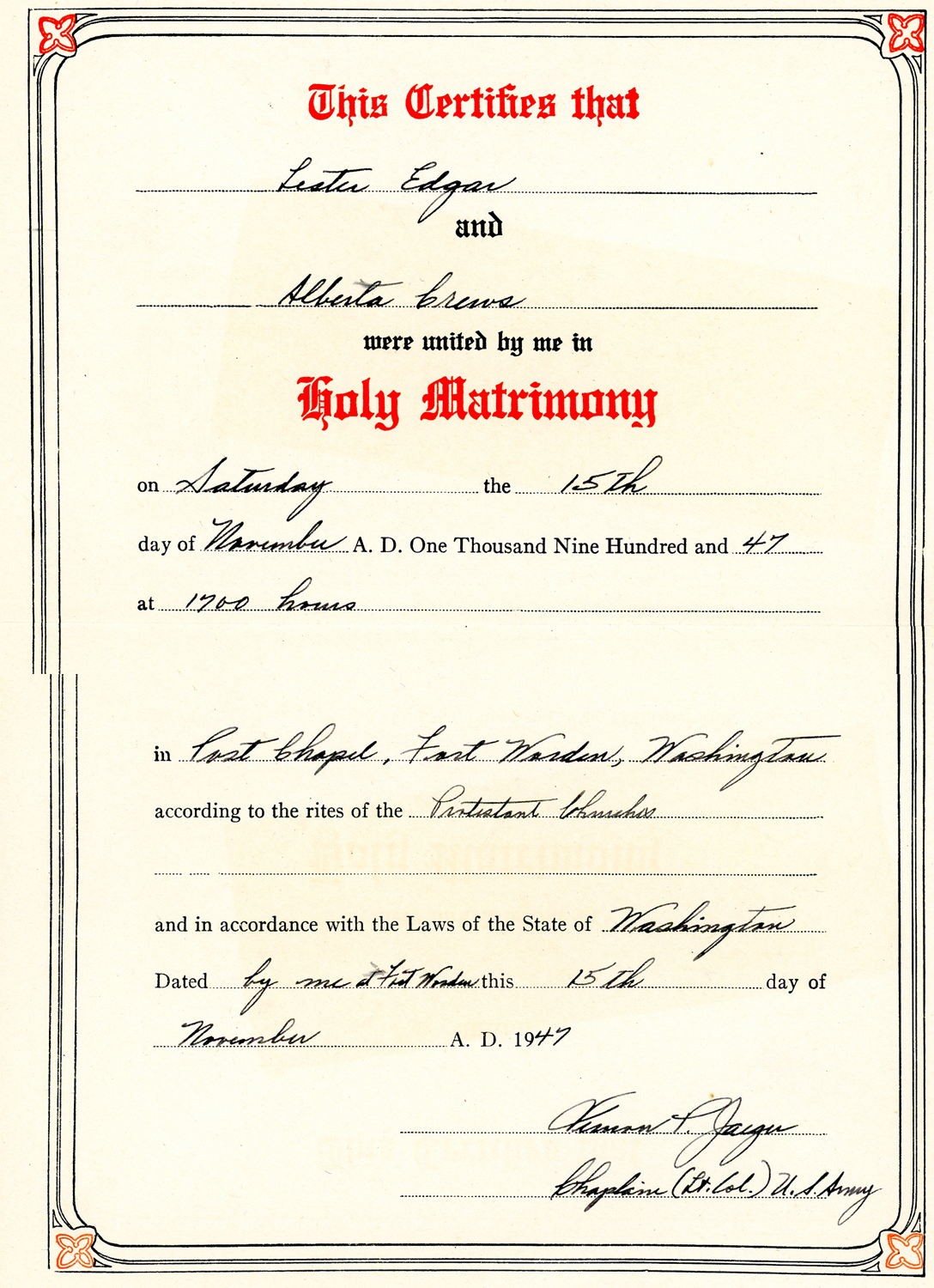
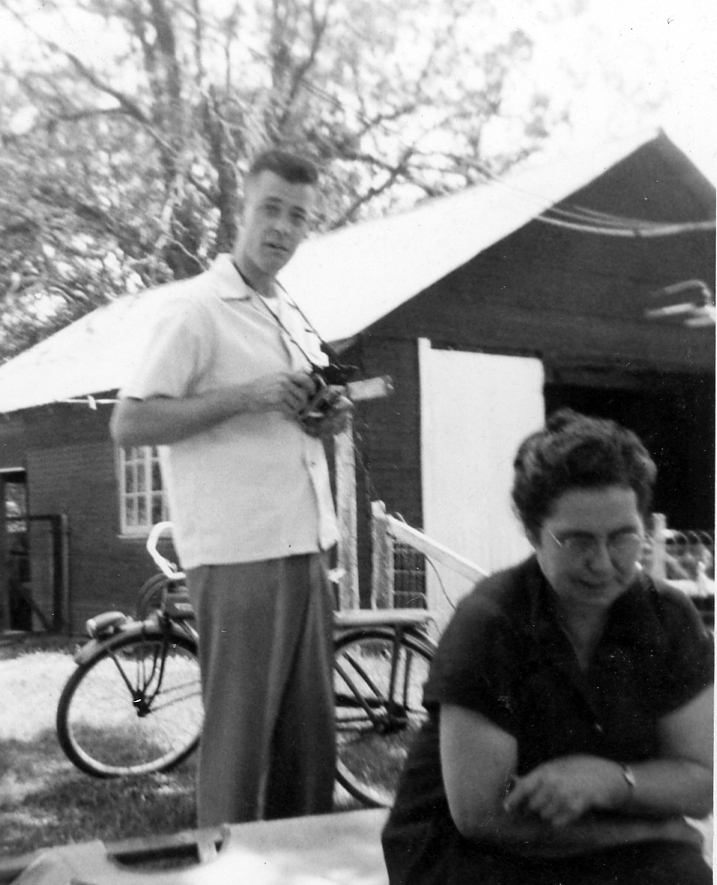
When Lester Edgar was born on September 7, 1924, in Compton, Arkansas, his father, Earnest, was 20 and his mother, Ida, was 17. He married Alberta Gregory on November 15, 1947, in the Post Chapel at Fort Warden, Washington. They had two children, Karen Ann and William Rickey, during their marriage. He died on August 6, 1998, in Carmichael, California, at the age of 73, and was buried in Fair Oaks, California.
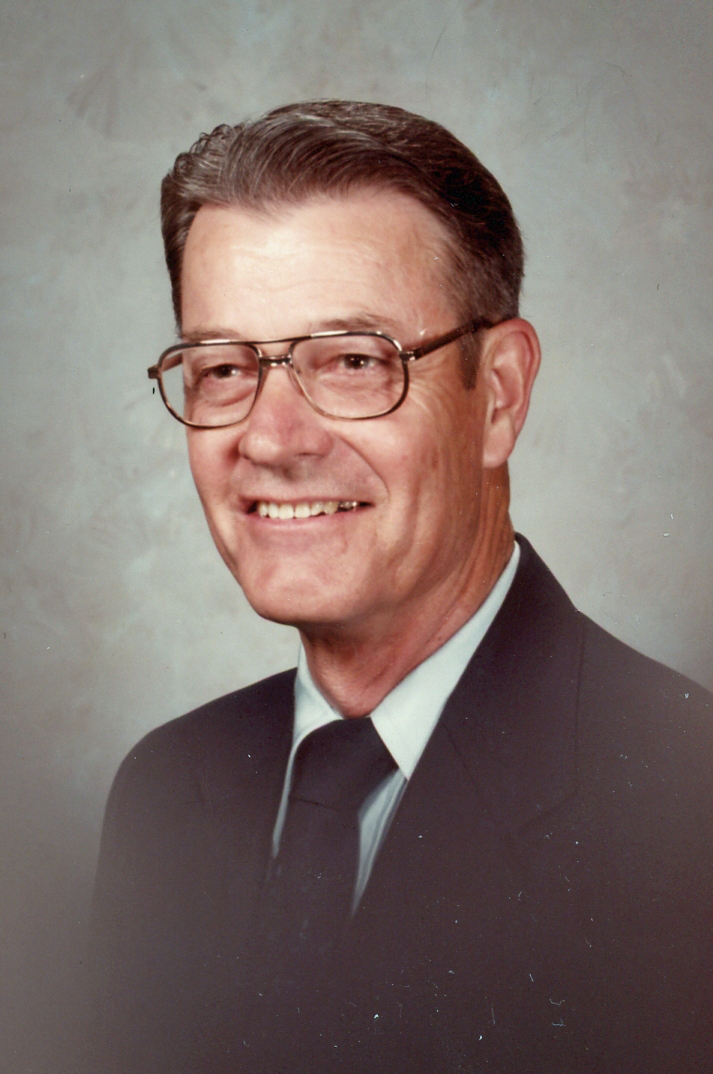
The Life of Lester Edgar
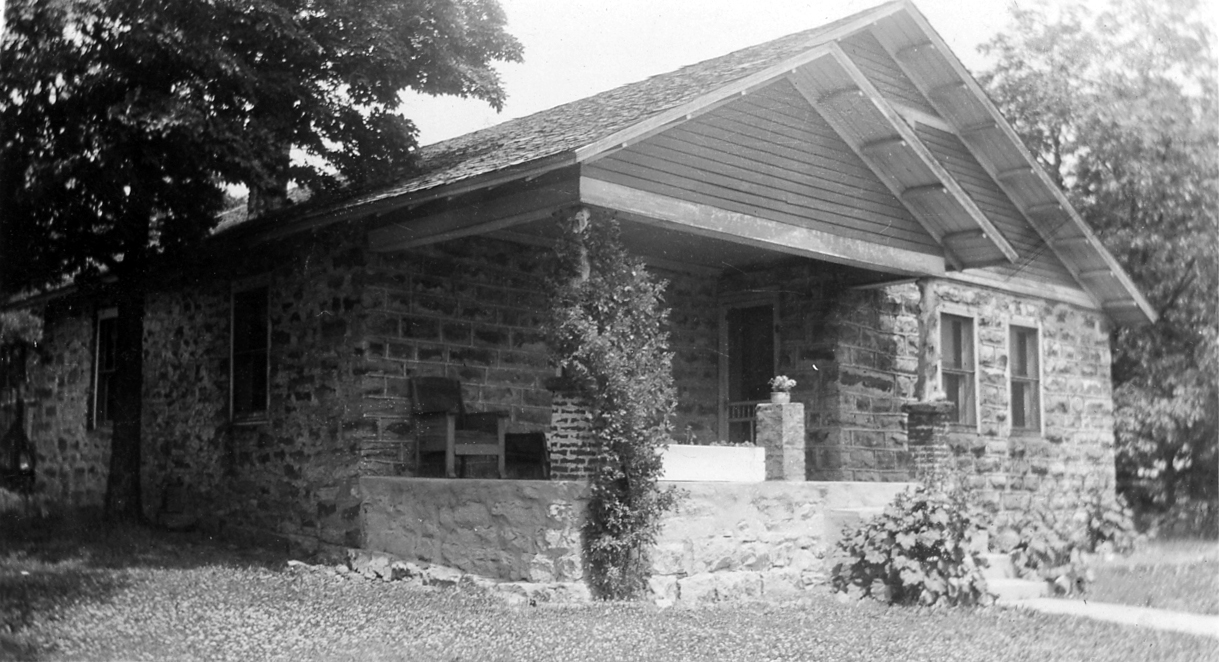
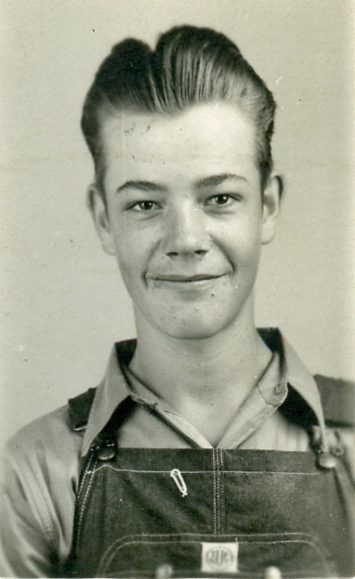
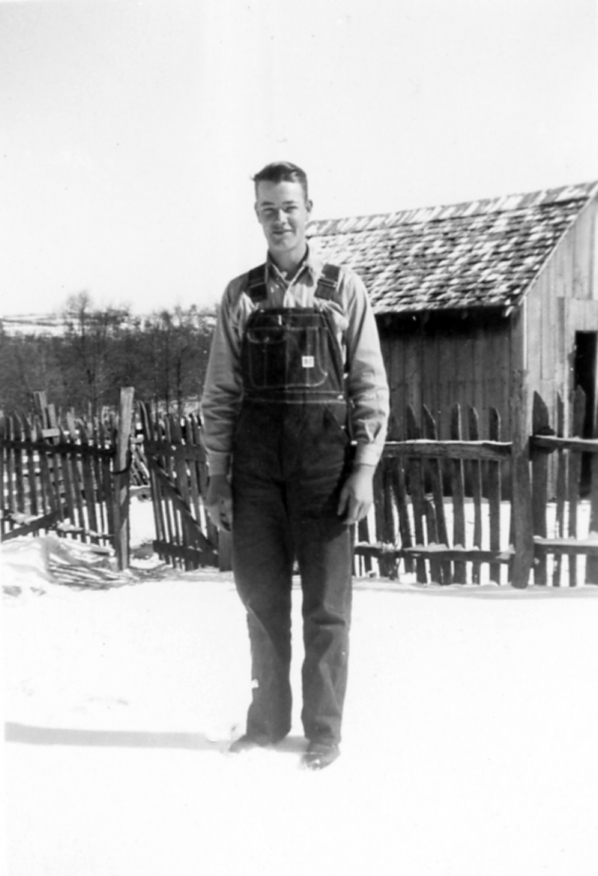
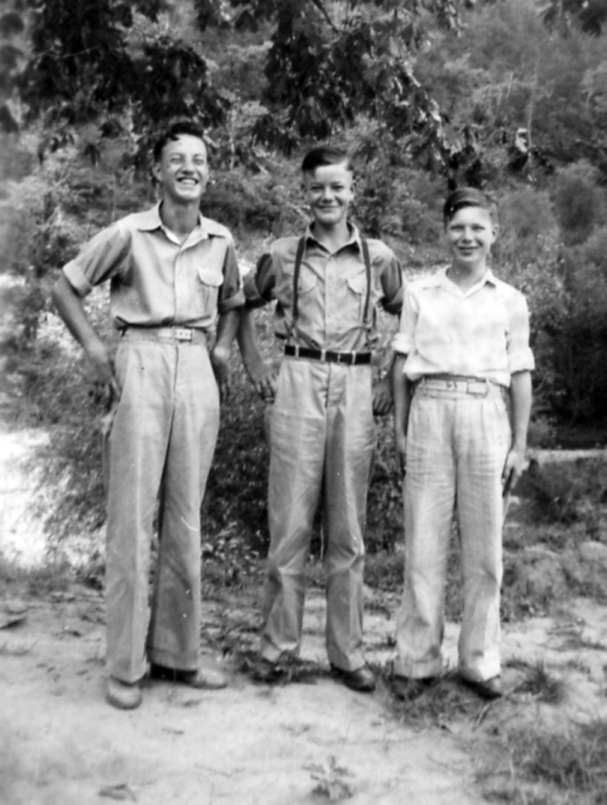
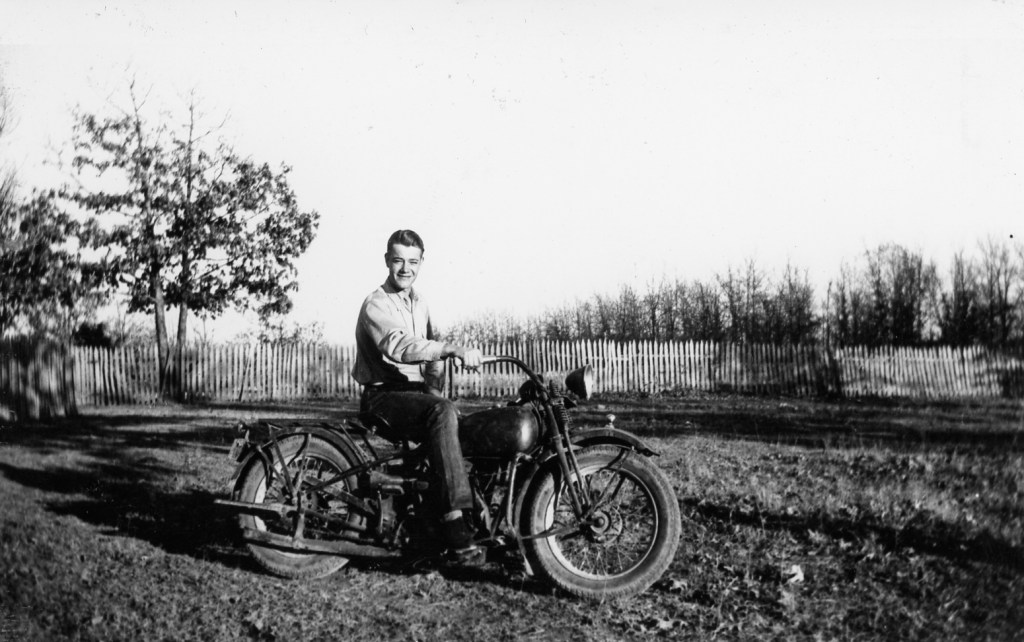
Lester Edgar was born on 7 September 1924 in the small Ozark community of Compton, Arkansas, a place of steep hills, quiet hollows, and families who knew one another by name. He grew up on the family farm in nearby Hill Top, where work began early, seasons shaped the rhythm of life, and children learned responsibility long before they were grown.
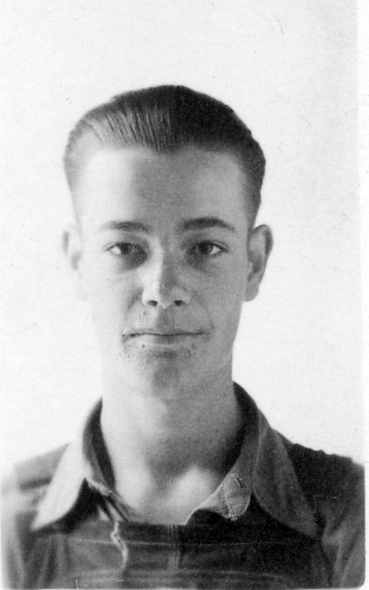
His childhood was simple and rural—feeding livestock, tending fields, walking the dirt roads to the little schoolhouse where he completed his education through the eighth grade. Like many young people of his generation, formal schooling ended early, replaced by the demands of farm life. But Lester never lost his desire to learn. Years later, in April 1949, he earned a Certificate of Equivalency of High School Graduation from the State of Arkansas Department of Education, a milestone he achieved through determination and pride.
On 7 May 1943, Lester stepped onto the grounds of Camp Joseph T. Robinson and into a world that would define the next twenty‑four years of his life.
His military career carried him far from the Ozarks, and it was during one of those journeys—while stationed in Washington State—that he met Alberta Gregory, a young woman from Lueders, Texas. Their courtship grew into a partnership that would last more than four decades. On 15 November 1947, they were married in the Post Chapel at Fort Worden, a quiet ceremony that marked the beginning of their life together.
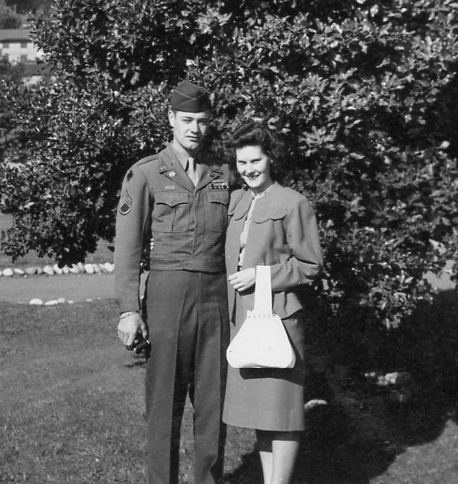
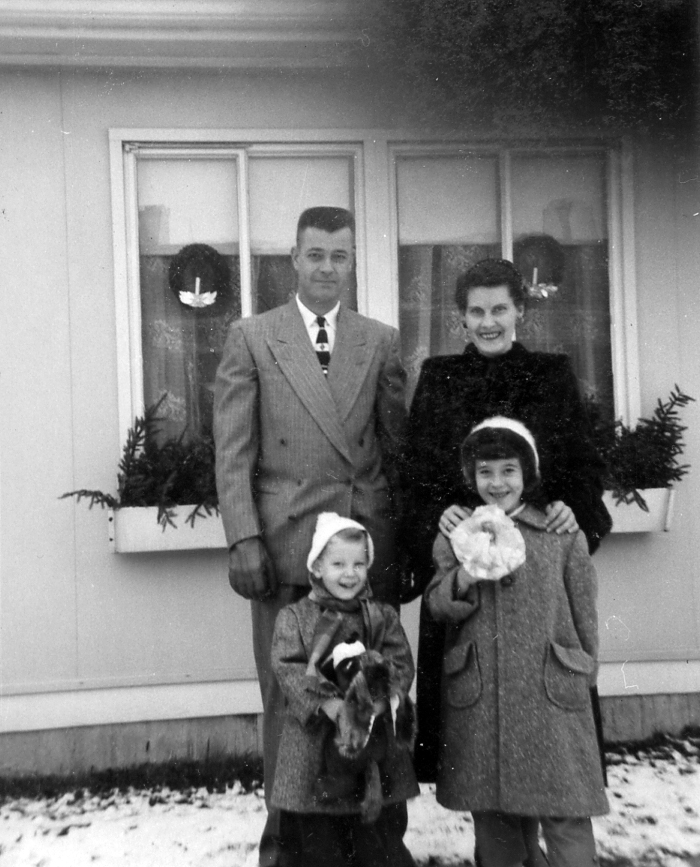
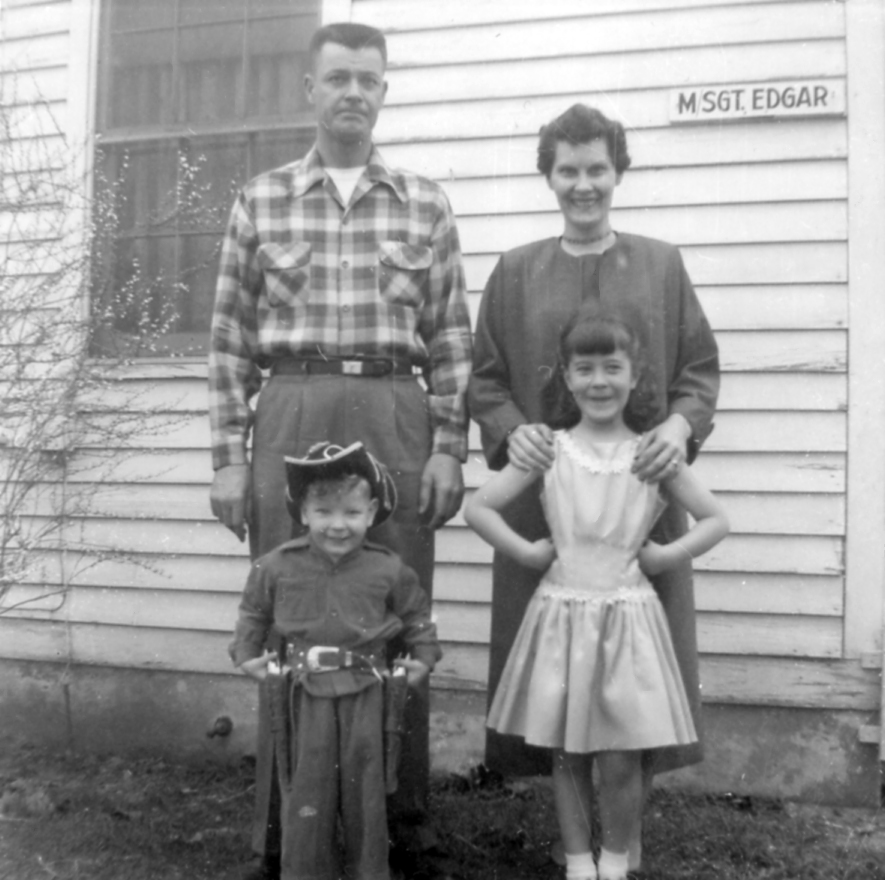
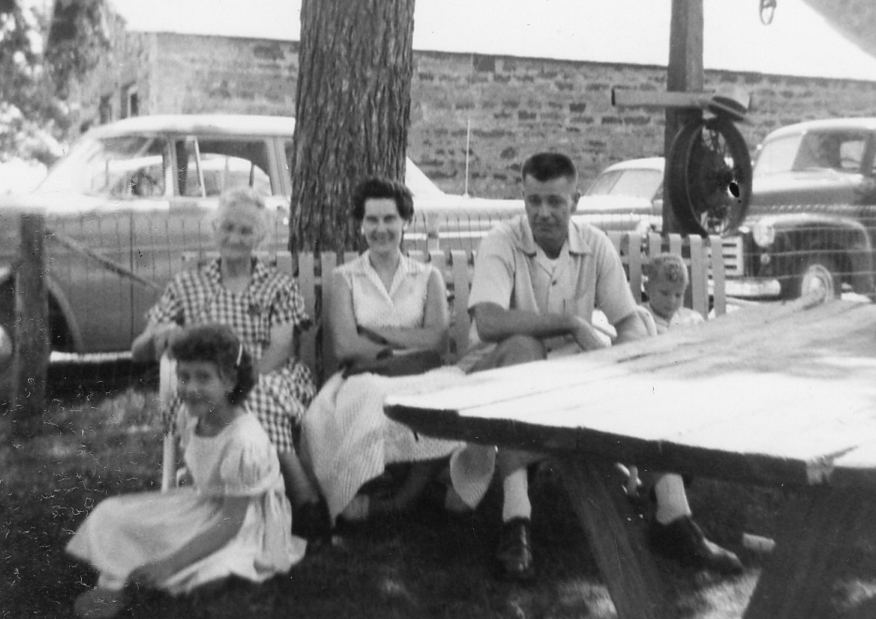
Lester and Alberta welcomed two children into their family: Karen Ann, born in 1949, and William Rickey, born in 1953. Their home was one built on steadiness—love expressed through hard work, reliability, and the quiet assurance that family came first. Wherever life took them, Lester carried with him the values he had learned in Hill Top: humility, perseverance, and devotion to those he loved.
When Lester eventually retired from his long military career, he and his family settled in Fair Oaks, California, where he began a new chapter working as a custodian for the local school district. It was honest work, and he approached it with the same sense of duty he brought to every part of his life. In Fair Oaks, he also found a spiritual home at the First Baptist Church, where he became an active and faithful member. His church community became an extension of his family, a place where he offered encouragement, friendship, and quiet leadership.
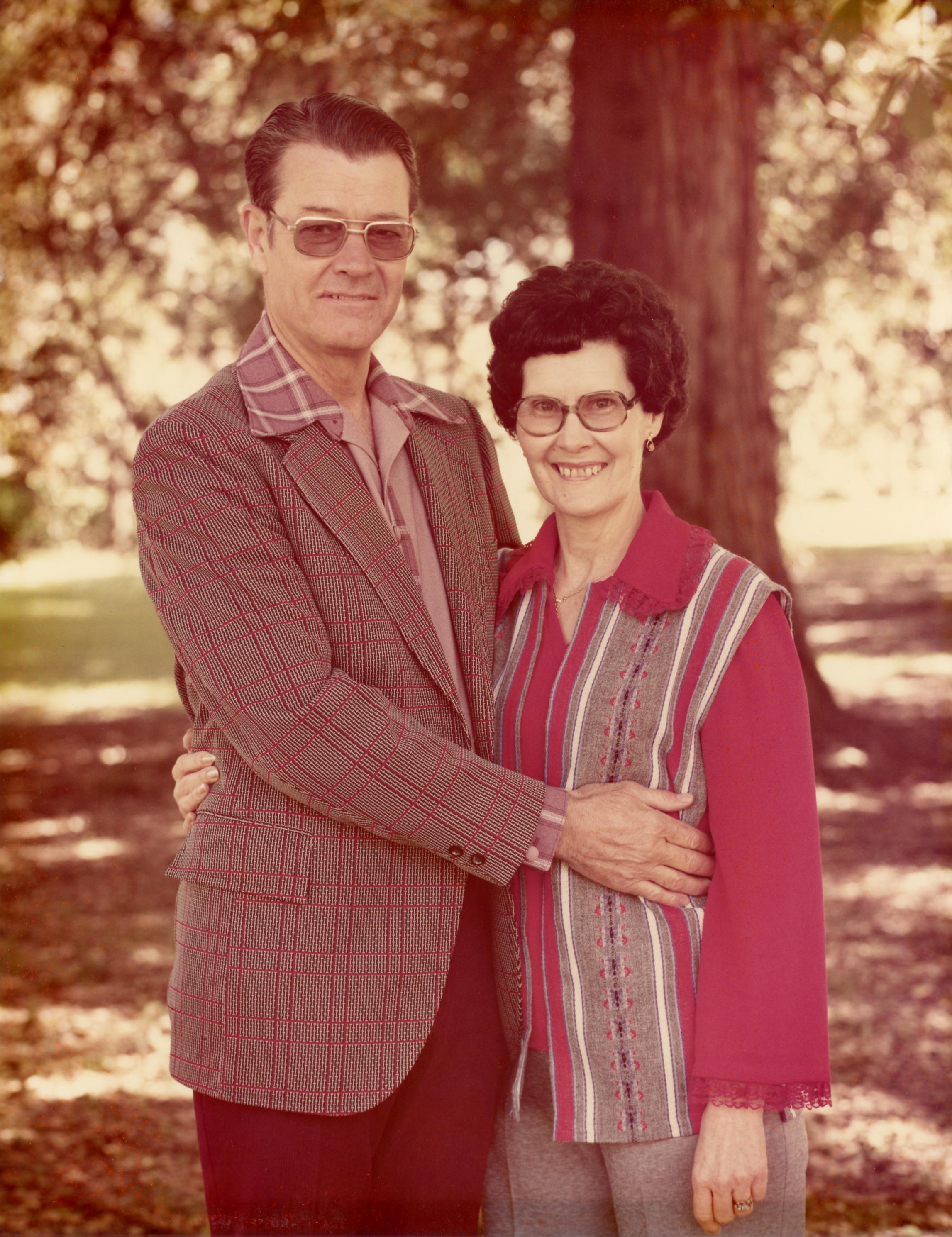
Sorrow touched his life when his beloved wife Alberta passed away from cancer on 8 October 1990. After more than forty years of marriage, her loss left a deep absence. Yet life, in its unexpected way, brought companionship again. On 31 August 1991, Lester married Edith Lillian Crowson, and together they shared the comfort of partnership in his later years.
In 1995, Lester was diagnosed with ALS, a difficult and unforgiving illness. Even as the disease progressed, he faced it with the same quiet strength that had carried him through every season of his life. Lester Edgar passed away on 6 August 1998.
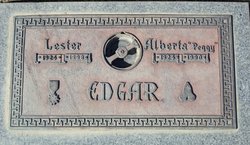
He left behind a legacy not of grand gestures, but of steadfastness—of a man who rose from the hills of Arkansas, built a family grounded in love, served his community with humility, and lived his life with dignity and purpose. His story is one of endurance, devotion, and the quiet heroism found in a life well lived.
The Soldier Who Never Stopped Serving: The Story of Sergeant Major Lester Edgar
When Lester Edgar left the hills of Compton, Arkansas, he was only nineteen years old—barely out of grammar school, raised in the quiet Ozark community of Hilltop. On 7 May 1943, he stepped onto the grounds of Camp Joseph T. Robinson and into a world that would define the next twenty‑four years of his life.
He had no way of knowing that he would one day retire as a Sergeant Major, decorated for exceptional service, entrusted with advising generals, and shaping the Army’s future.
World War II: Baptism by Fire
When Lester Edgar shipped out for the South Pacific in December 1943, he was barely nineteen, fresh from basic training at Camp Roberts and carrying the weight of a war that was still raging across two oceans. By March 1944, he was assigned to Company E, 103rd Infantry Regiment, 43rd Infantry Division, a unit already hardened by years of jungle fighting.
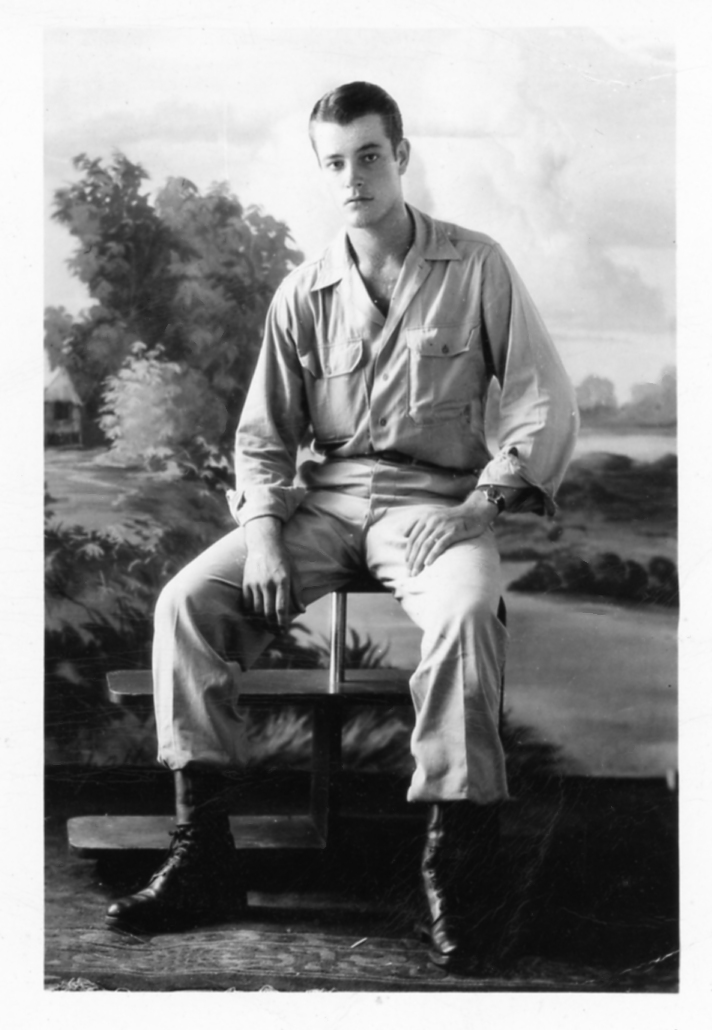
The next two years would forge him into a combat soldier.
He fought in New Zealand, New Guinea, the Philippines, and Japan, moving with the 43rd Division through some of the most unforgiving terrain of the Pacific war.
The jungles were thick, the heat relentless, and the enemy deeply entrenched. Yet it was here—amid mud, monsoon rains, and close‑quarters combat—that Lester Edgar distinguished himself.
On or about 10 January 1945, during operations in the Philippines, he performed the act of meritorious service that would later earn him the Bronze Star Medal. The official citation, issued in 1948, records:
“MERITORIOUS ACHIEVEMENT IN GROUND OPERATIONS AGAINST THE ENEMY on or about 10 January 1945 in the Pacific Theater of Operations.” — Bronze Star Medal Certificate, 29 November 1948
What happened on or about 10 January 1945?
This was no small recognition. The Bronze Star was awarded only for acts of courage, leadership, or achievement under combat conditions. Lester Edgar’s actions—though the citation does not detail them—were significant enough to be formally recognized by the War Department and signed by the Secretary of War himself.
He also earned the Combat Infantry Badge, a mark reserved only for those who had faced the enemy directly. The badge was more than a decoration; it was a symbol of survival in a theater where many did not return.
By the time Japan surrendered, Lester Edgar had fought across multiple island campaigns, endured disease and hardship, and witnessed the cost of victory firsthand. When he remained in Japan after the war as part of Troop H, 12th Cavalry, serving as military police in Yokohama, he did so as a veteran who had already seen more than most men twice his age.
The war had changed him—but it had also revealed the soldier he would become. The Bronze Star, the Combat Infantry Badge, and the scars of the Pacific were the foundation of a career that would carry him through Korea, the Cold War, and into the highest enlisted ranks of the United States Army.
A Career Soldier: The Postwar Army
On 15 November 1945, Edgar reenlisted in the Regular Army.
He joined the 532nd Engineer Boat and Shore Regiment, a unit that specialized in amphibious operations—exactly the kind of work he had seen in the Pacific.
Over the next several years he served at Camp San Luis Obispo; Fort Emory, San Diego; Fort Ord, California and Fort Worden, Washington
He participated in Operation Miki, Operation Portrex, and Joint Task Force Seven at the Eniwetok Proving Grounds, where the United States conducted nuclear tests.
By 1950, he was a seasoned noncommissioned officer—just in time for another war.
Korea: Leadership Under Fire
In August 1950, Edgar deployed with the 532nd to Korea, serving as Assistant Platoon Sergeant and later Platoon Sergeant.
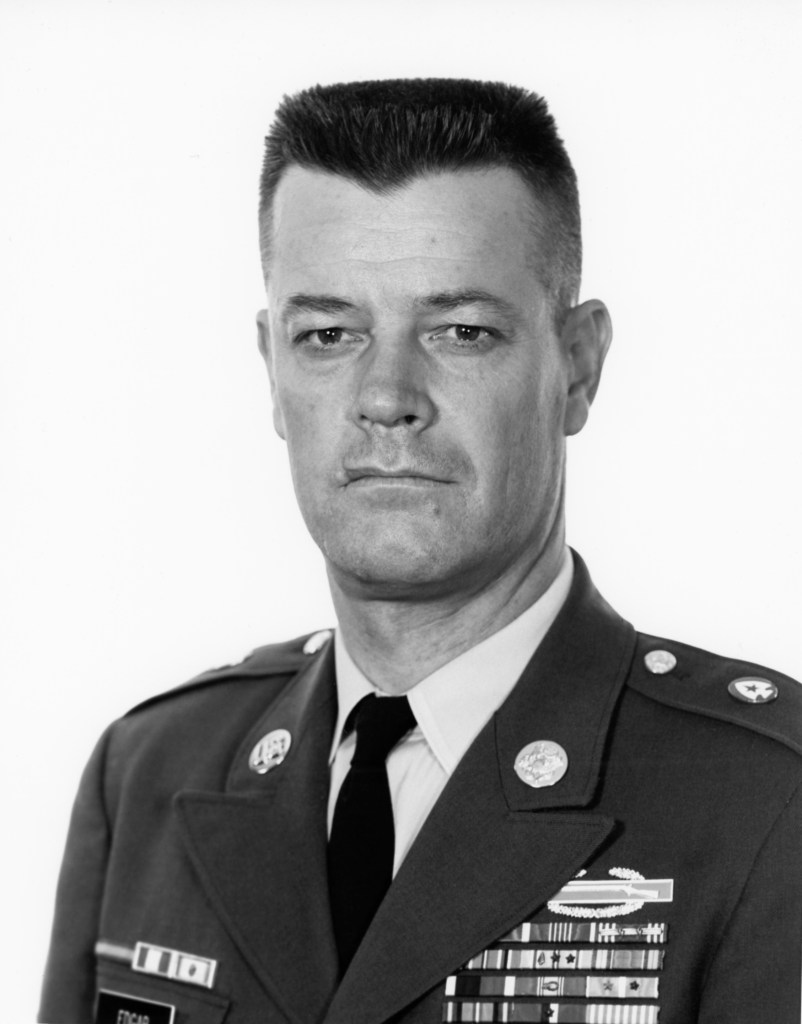
He earned the Korean Service Medal with 6 Bronze Stars, the Republic of Korea Presidential Unit Citation, and the United Nations Service Medal. These decorations reflect participation in multiple major campaigns.
He returned to the United States in December 1951, carrying the weight of two wars behind him.
Building Soldiers: The Instructor Years
In February 1952, Edgar was assigned to the Engineer Training Center at Fort Belvoir, Virginia, where he served as Platoon Sergeant, Senior Drill Instructor, and First Sergeant.
His reputation for discipline and leadership grew quickly.
In September 1953, he moved to Fort Leonard Wood, serving first as First Sergeant of Company B, 91st Tank Battalion, then as Sergeant Major of the 9th Armored Infantry Battalion from 1954 to 1960.
This was the period when he rose to the Army’s highest enlisted ranks: Sergeant First Class (1950); Master Sergeant E‑7 (1951); Master Sergeant E‑8 (1958); and Sergeant Major (1959).
Cold War Service: Berlin and Beyond
In January 1960, Lester Edgar was sent to Berlin, then the epicenter of Cold War tension. He served as Battle Group Sergeant Major of the 2nd Battle Group, 6th Infantry until 1962.
He returned to the United States to serve as Sergeant Major of:
- 4th Battalion, 41st Infantry — Battalion Sergeant Major
- 194th Armored Brigade — Brigade Sergeant Major
- US Army Combat Developments Command Experimentation Command (USACDCEC) —Command Sergeant Major (senior enlisted advisor at a major Army command)
It was here—at the cutting edge of Army modernization—that he made his final and most lasting mark.
The Legion of Merit: A Career’s Final Chapter
From January 1963 to June 1967, Lester Edgar served as the senior enlisted advisor to three successive commanding generals of USACDCEC.
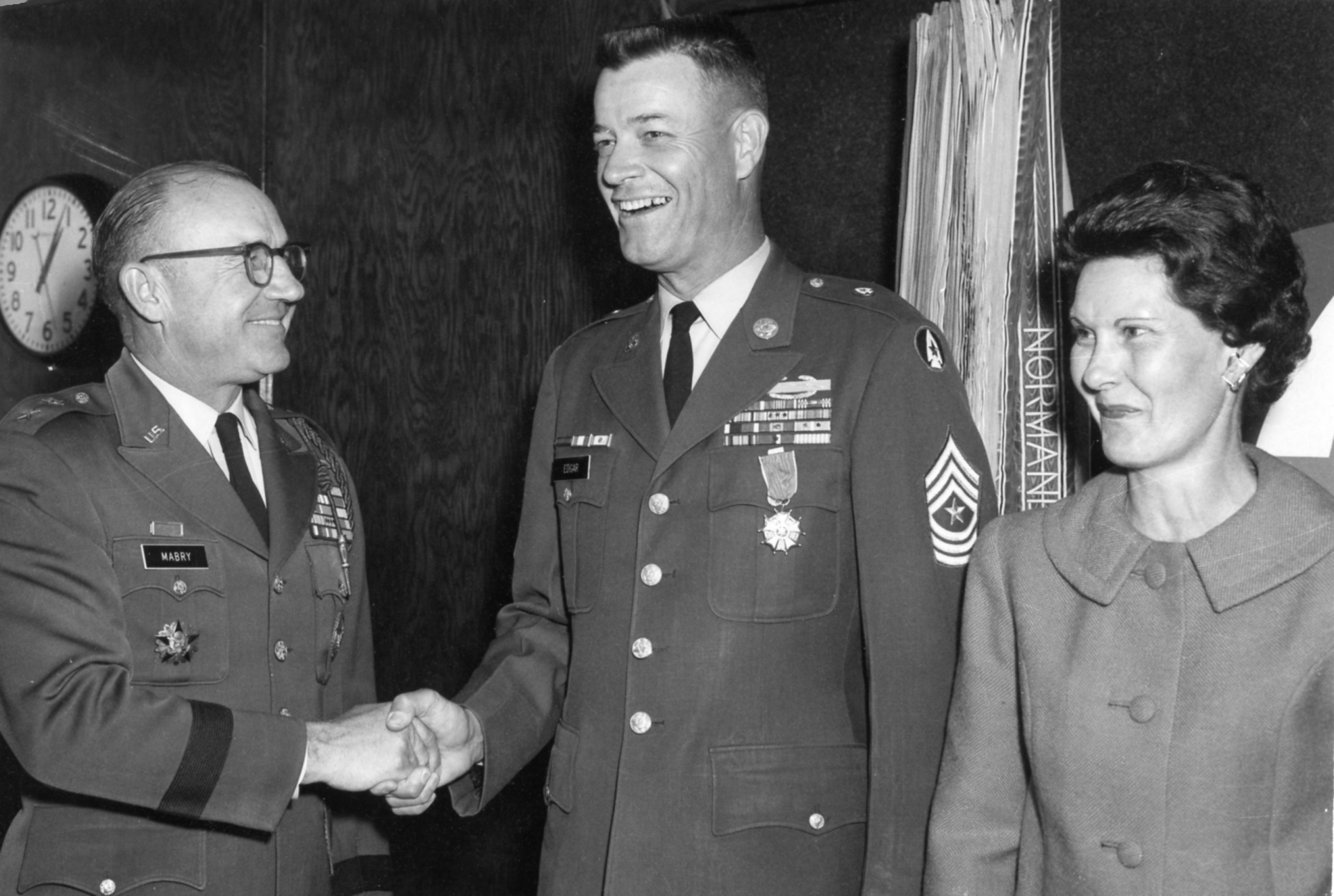
His work involved:
- guiding experimentation programs
- briefing foreign dignitaries and military leaders
- evaluating operations in toxic environments
- improving morale and discipline across the command
The Army recognized the extraordinary scope of his service. On 25 May 1967, General Orders No. 184 awarded him the Legion of Merit, citing:
“exceptionally meritorious conduct in the performance of outstanding services.” “His performance of duty was exemplified by astute professional knowledge, outstanding leadership… and the constant display of imagination and foresight.”
It was one of the highest honors an enlisted soldier could receive.
He retired shortly afterward, closing a career that spanned:
- World War II
- The Occupation of Japan
- The Korean War
- The Cold War in Berlin
- The Army’s modernization era
A Life of Service
From a small Arkansas community to the highest enlisted rank in the United States Army, Sergeant Major Lester Edgar built a career defined by courage, discipline, and unwavering dedication.
His decorations tell the story plainly:
- Legion of Merit
- Bronze Star Medal
- Army Commendation Medal
- Presidential Unit Citations
- Good Conduct Medal (7 awards)
- Combat Infantry Badge
But the documents shared here reveal something deeper: a man who led from the front, taught by example, and earned the trust of generals and privates alike.
His service was not just long—it was exceptional.
- Lester Edgar’s Resume of Military Service
- More photographs and documents of Lester Edgar’s Military Service
Legacy of Lester Edgar
Parents
FATHER: Earnest Edgar (1904–1992)
MOTHER: Ida Estelle McFerrin (1906–1994)Married
1st: Alberta Gregory (1924–1990) married 15 Nov 1947, Post Chapel at Fort Warden, Washington, USA
2nd: Edith Lillian Crowson (1926–2022) married 31 Aug 1991
Children
- Karen Ann Edgar (1949– )
- William Riickey Edgar (1953– )
Documents
- Birth Records
- Delayed Certificate of Birth, State of Arkansas > Lester Edgar, date of birth Sept. 7, 1924, Compton, Arkansas
- Wedding records
- Wedding Certificate > Lester Edgar and Alberta Crews, 15 Nov 1947, Post Chapel at Fort Wardon, Washington
- Military records
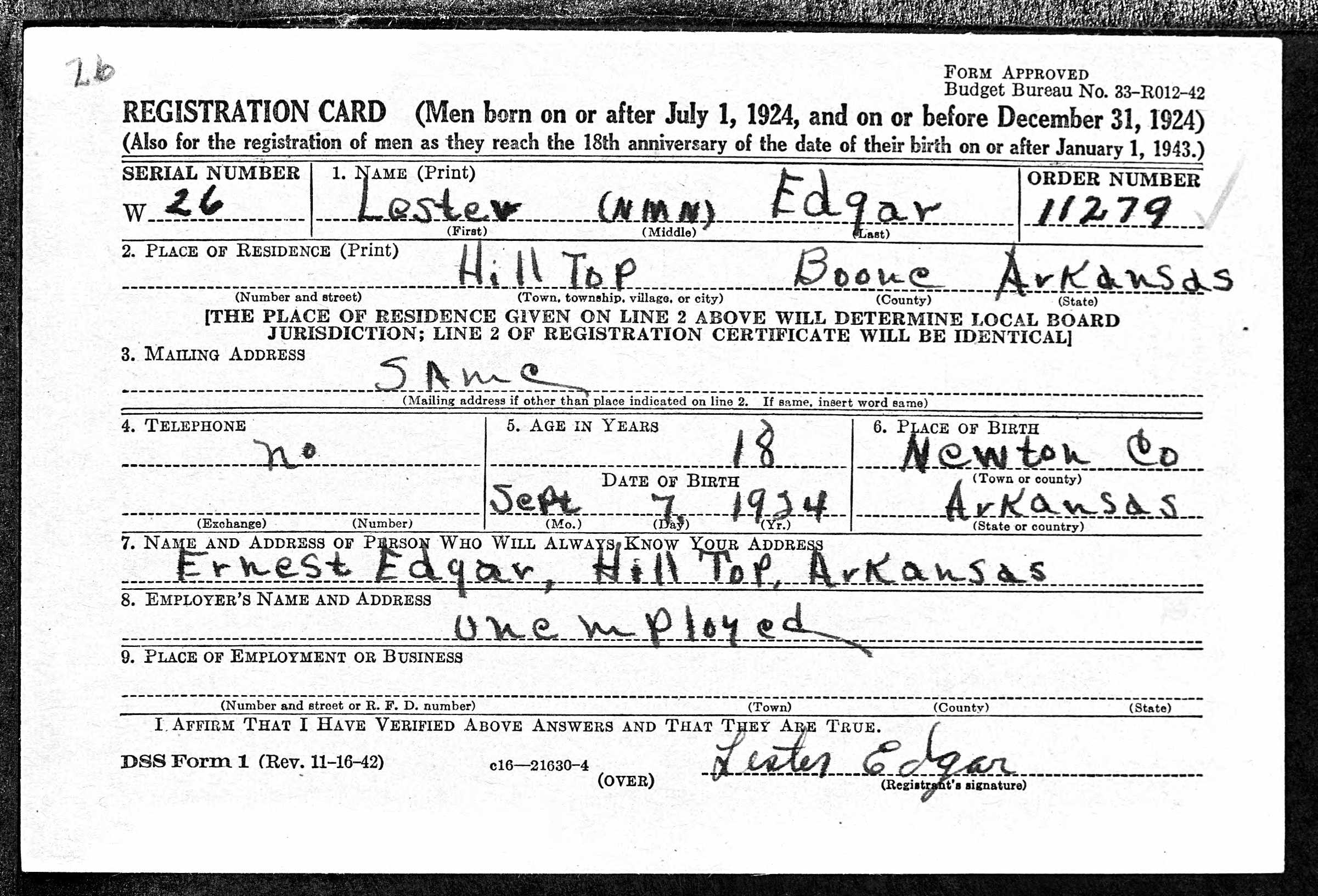
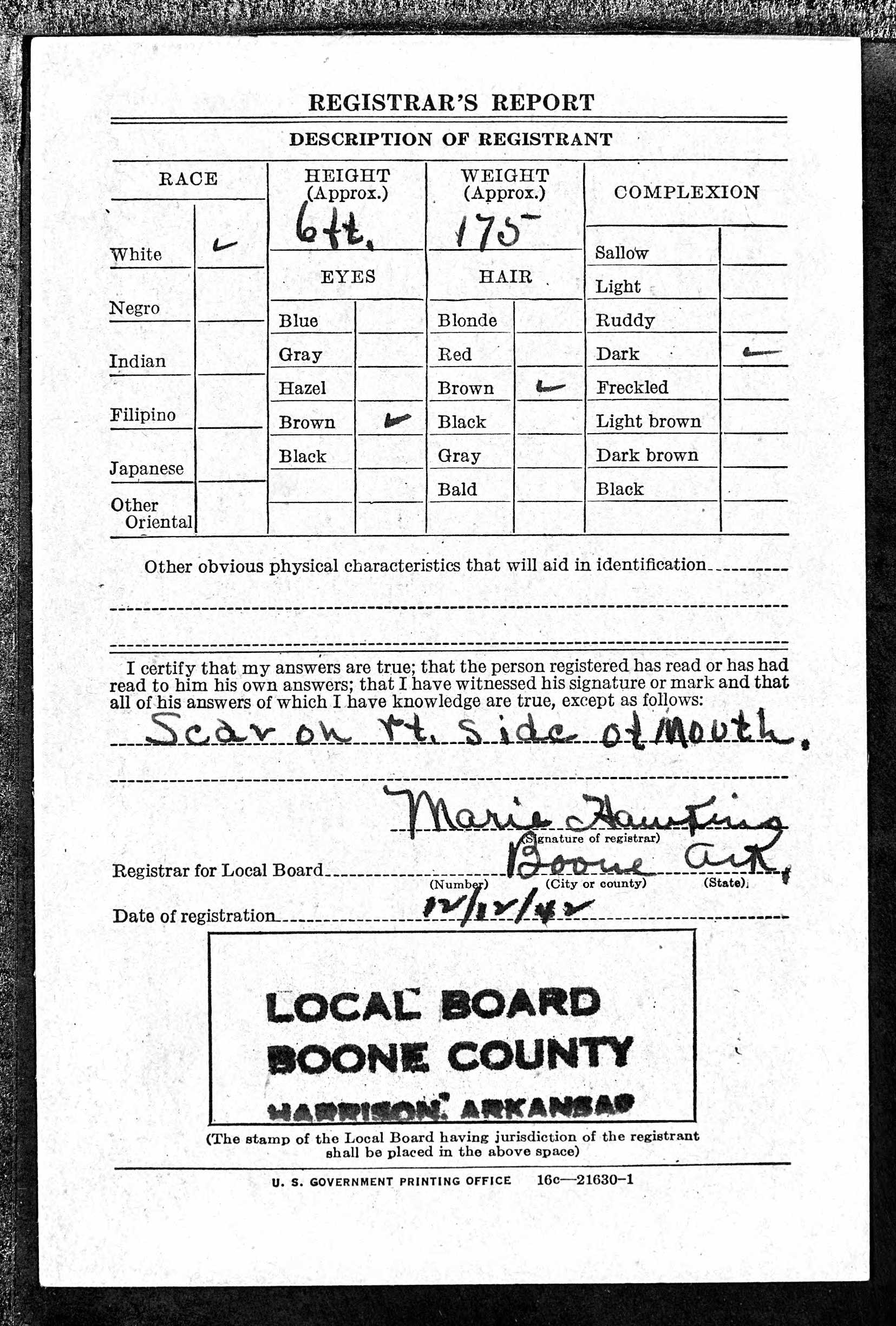
- U.S., World War II Draft Cards Young Men, 1940-1947 (page 2)> Name: Lester Edgar; Gender: Male; Age: 18; Relationship to Draftee: Self (Head); Birth Date: 7 Sep 1924; Residence Place: Hill Top, Boone, Arkansas, USA; Registration Date: Dec 1942; Registration Place: Hill Top, Boone, Arkansas, USA
- U.S., World War II Army Enlistment Records, 1938-1946 > Name: Lester Edgar; Race: White; Marital Status: Single, with dependents (Single); Rank: Staff Sergeant; Birth Year: 1924; Nativity State or Country: Arkansas; Citizenship: Citizen; Residence: Boone, Arkansas; Education: Grammar school; Civil Occupation: Skilled occupations in manufacture of electrical machinery and accessories, n.e.c.; Enlistment Date: 15 Nov 1945; Service Number: 38506482; Branch: Corps of Engineers; Component: Regular Army (including Officers, Nurses, Warrant Officers, and Enlisted Men); Source: Enlisted Man, Philippine Scout or recall to AD of an enlisted man who had been transferred to the ERC
- U.S., Department of Veterans Affairs BIRLS Death File, 1850-2010 > Name:
Lester Edgar; Gender: Male; Birth Date: 7 Sep 1924; Death Date: 6 Aug 1998; SSN: 431343646; Enlistment Branch: Army; Enlistment Date: 15 Nov 1948; Discharge Date: 30 Jun 1967; Page number: 2
- Death records
- U.S., Social Security Death Index, 1935-2014 > Name: Lester Edgar; Social Security Number: 431-34-3646; Birth Date: 7 Sep 1924; Issue year: Before 1951; Issue State: Arkansas; Last Residence: 95608, Carmichael, Sacramento, California, USA; Death Date: 6 Aug 1998
- U.S., Social Security Applications and Claims Index, 1936-2007 > Name: Lester Edgar; Gender: Male; Race: White; Birth Date: 7 Sep 1924; Birth Place: Compton Newt, Arkansas; Death Date: 6 Aug 1998; Father: Ernest Edgar; Mother: Ida E McFerrin; SSN: 431343646
- Find a Grave > Name: Lester Edgar, Birth Date: 1924, Death Date: 1998
- Burial: Mount Vernon Memorial Park, Fair Oaks, Sacramento County, California, USA
- Presidential Memorial Certificate
- Census Records
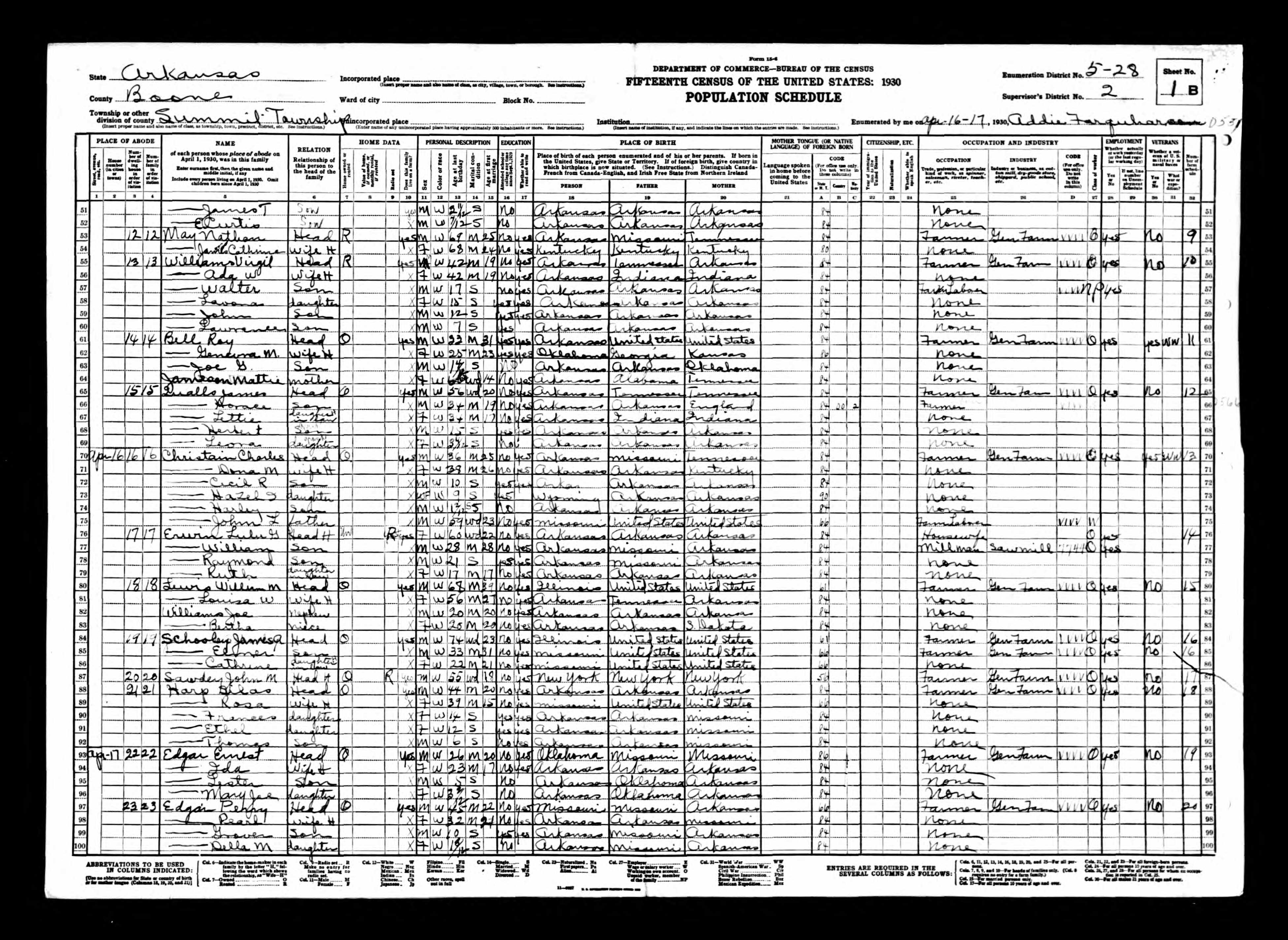
- 1930 United States Federal Census > Arkansas > Boone > Summit > District 0028> Lester Edgar, age 5, living on a farm with parents Ernest Edgar (age 26, farmer) and Ida Edgar (age 23) and sister Mary Joe Edgar (age 3).
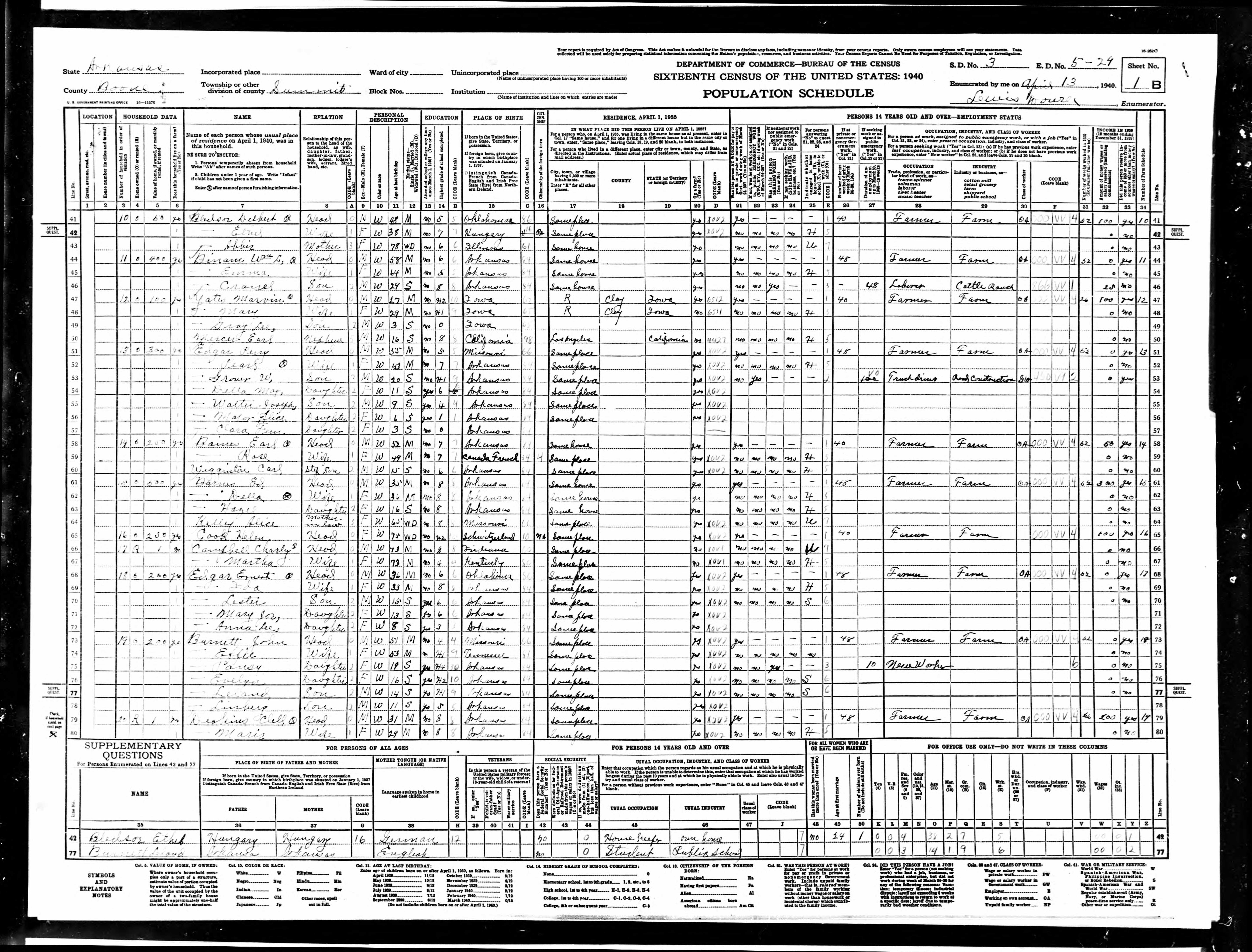
- 1940 United States Federal Census > Arkansas > Boone > Summit > 5-29 > Lester Edgar, age 15, living with parents Ernest Edgar (age 36, farmer) and Ida Edgar (age 33) and sisters Mary Joe Edgar (age 13) and Anna Lee Edgar (age 8).
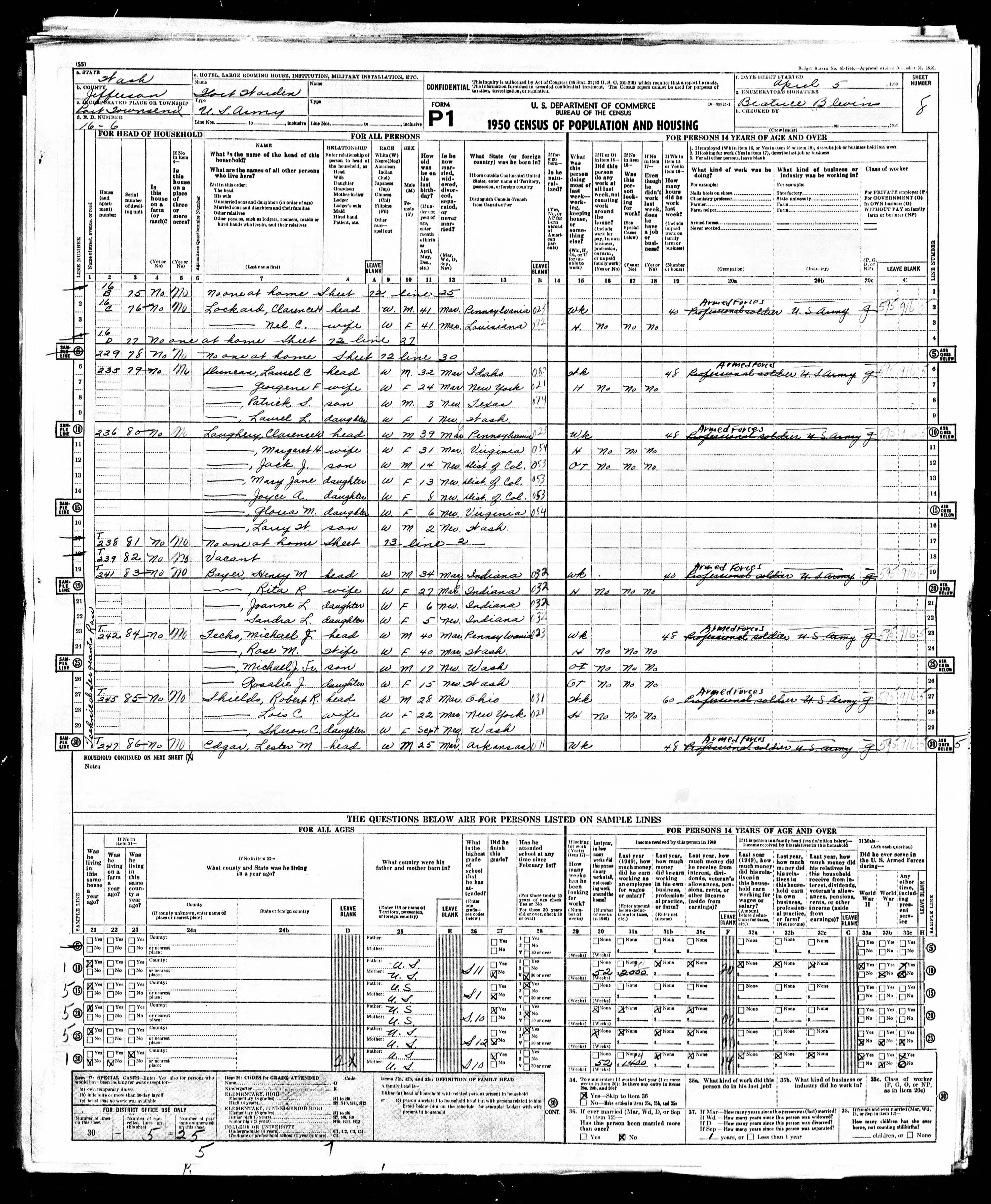
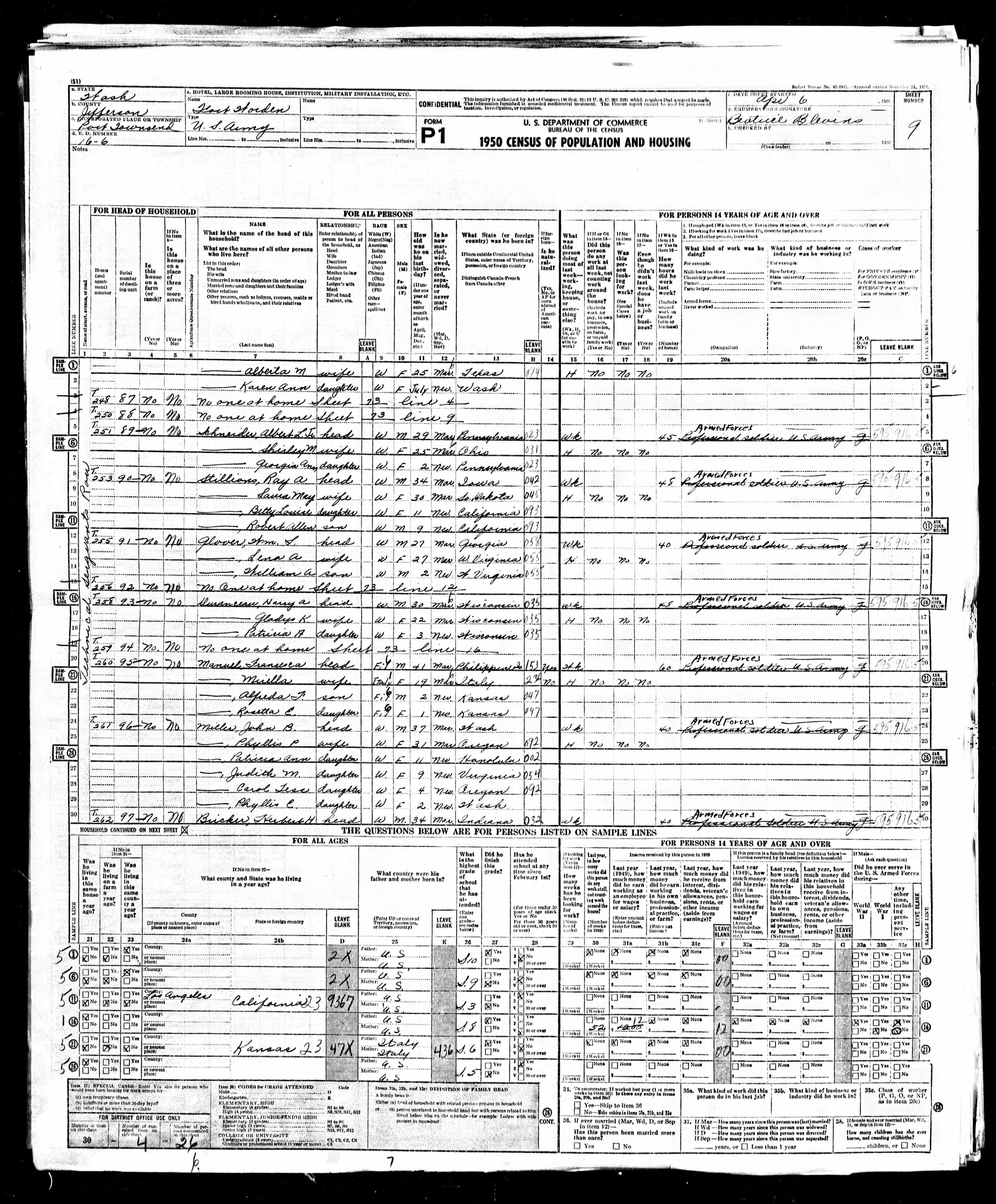
- 1950 United States Federal Census (page 2) > Washington > Jefferson > Fort Worden Military Reservation > 16-6 > Lester Edgar, (age 25, lived on Technical Sergeants Row in Fort Worden Military Reservation, Jefferson, Washington, soldier, served in World War II, wages in 1949: $1400) living with wife Alberta (age 25) and daughter Karen Ann (age: 8 months).
- Other
- Certificate of Equivalency of High School Graduation, State of Arkansas Department of Education > Lester Edgar, 18 April 1949
- Report Cards, Hill Top School, Grades 6, 7 and 8 > Lester Edgar
- Certificate of Completion – Custodial Trade, 4 Mar 1967
- Overview of Supervisor training certificate, 13 May 1981
Gallery
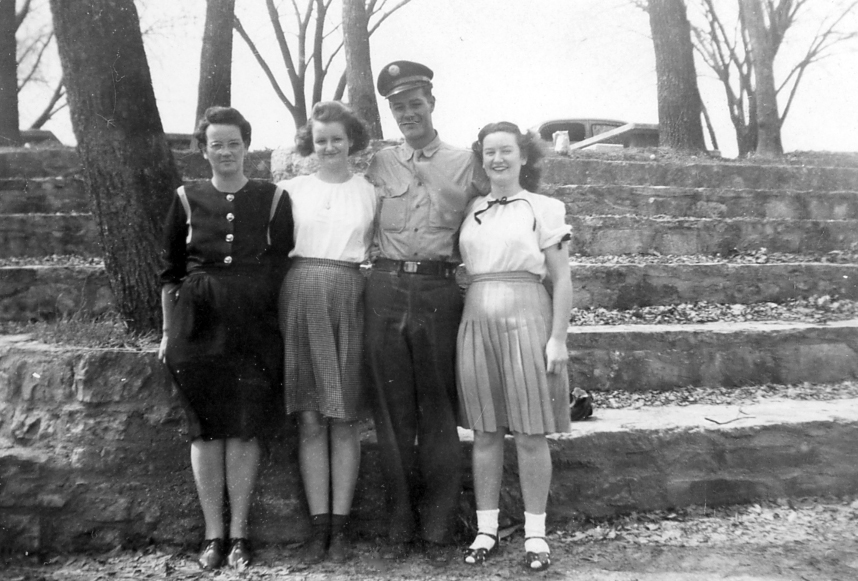
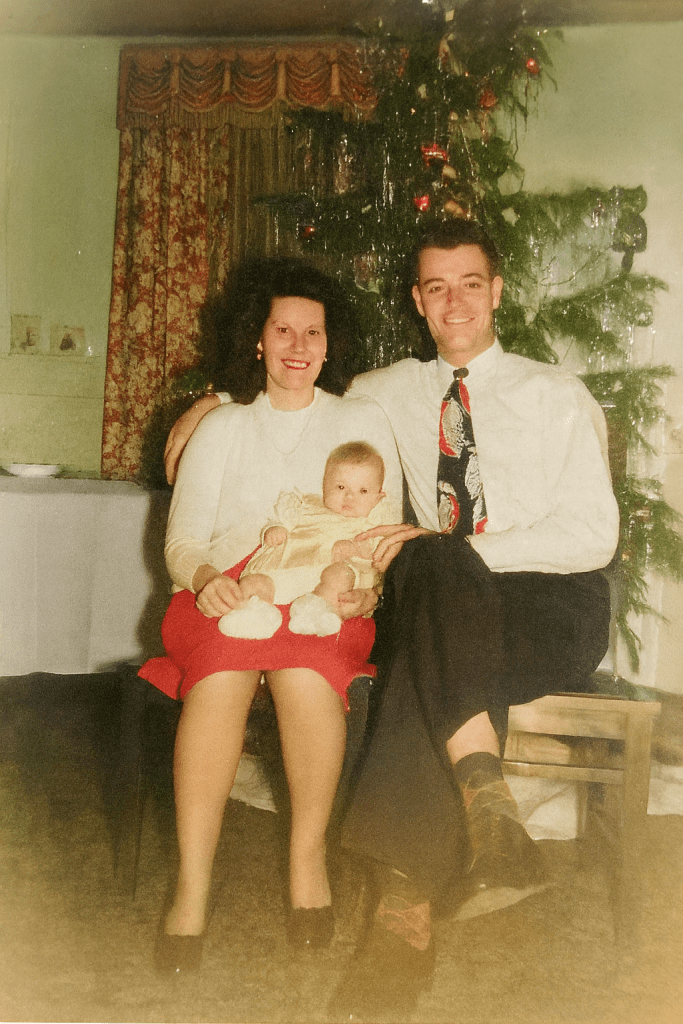
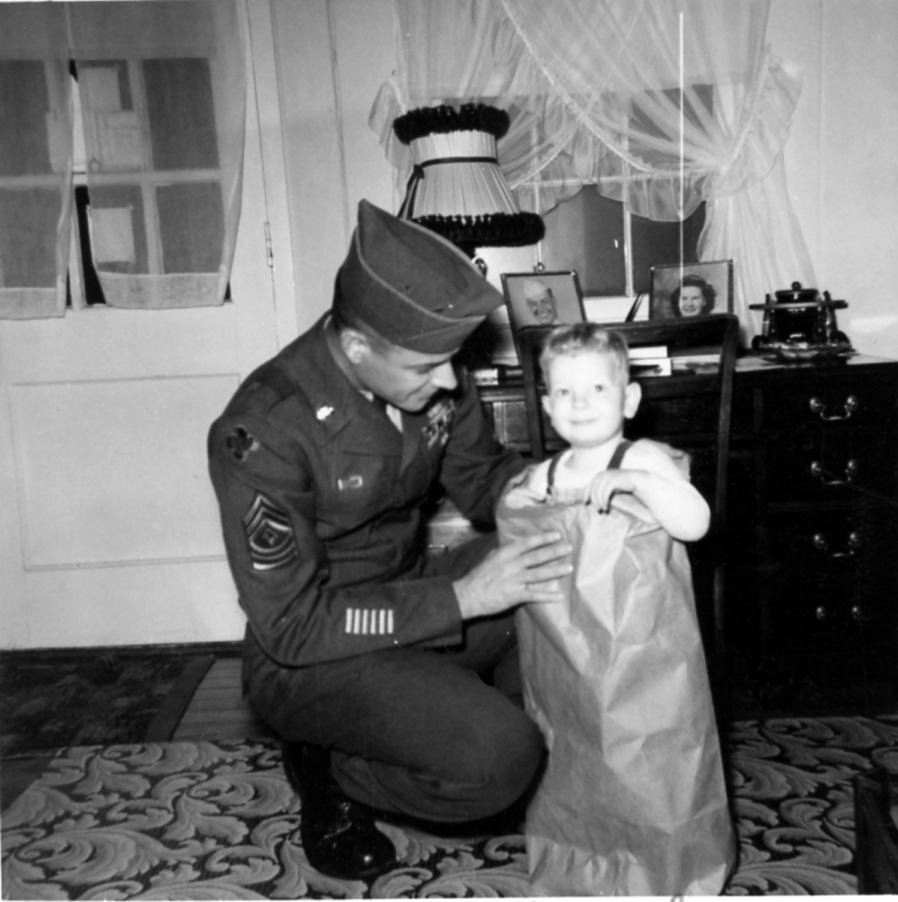
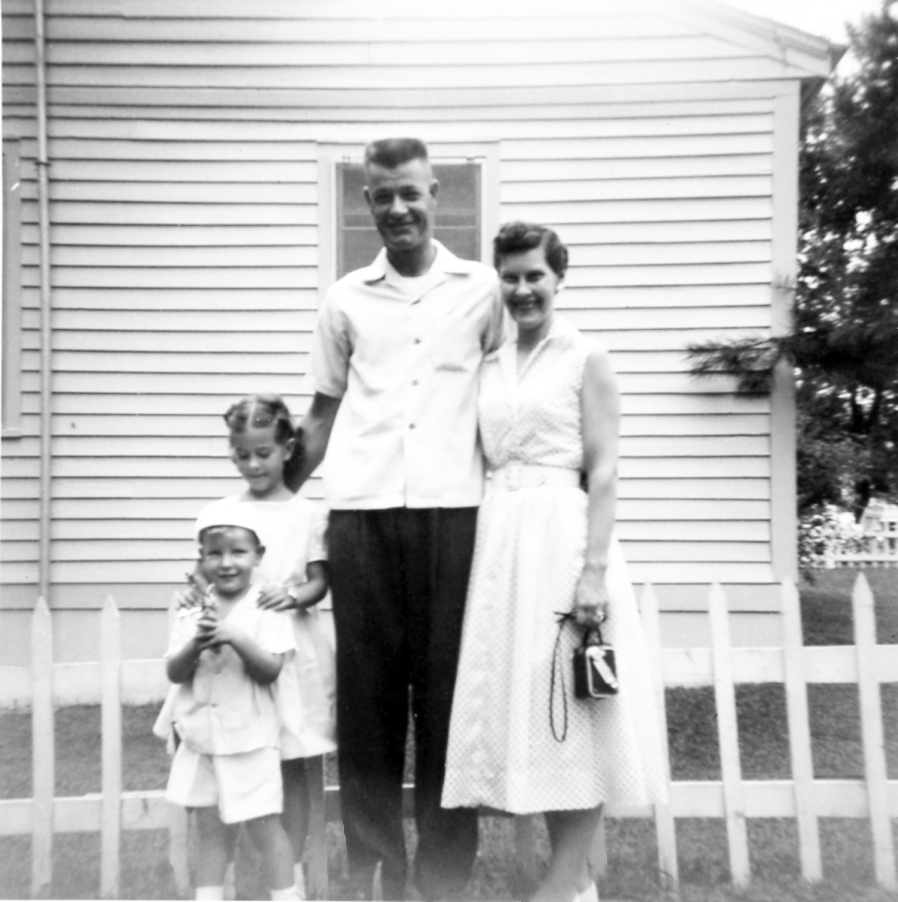
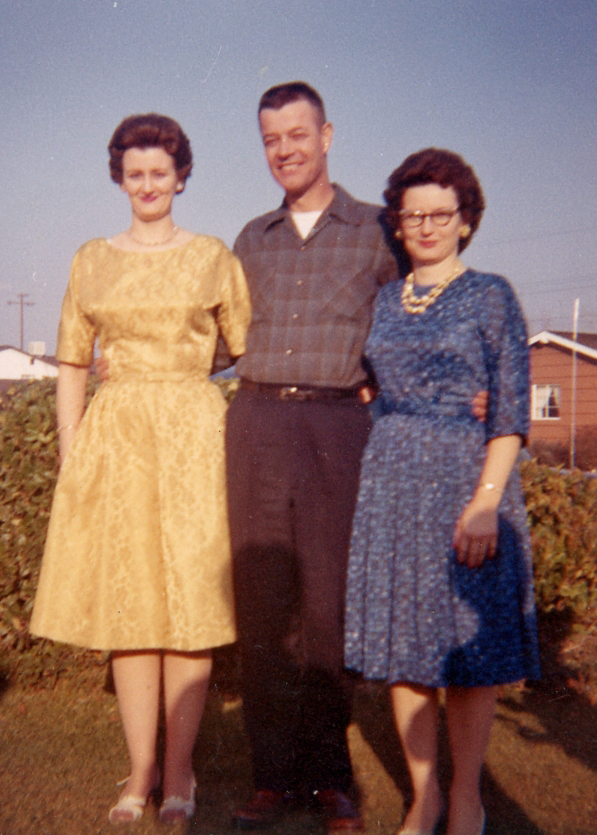
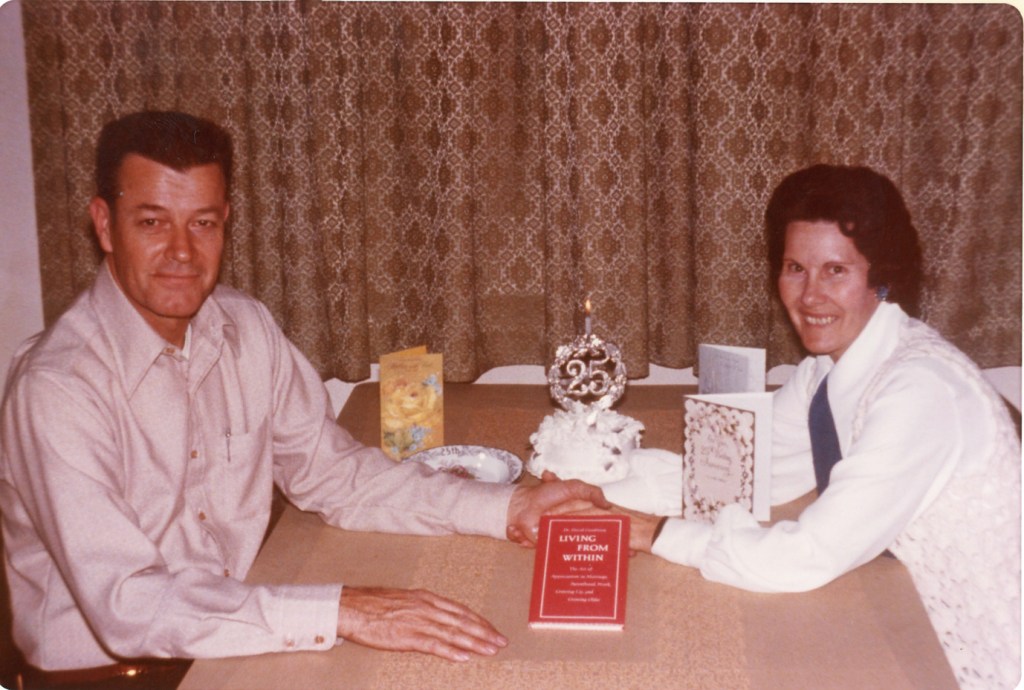
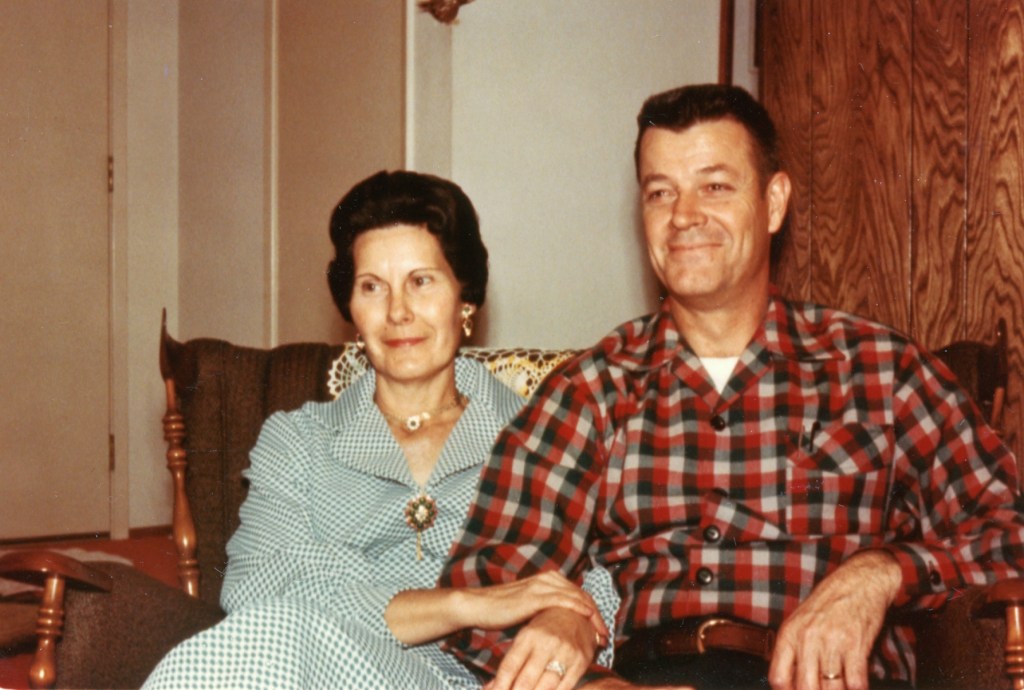
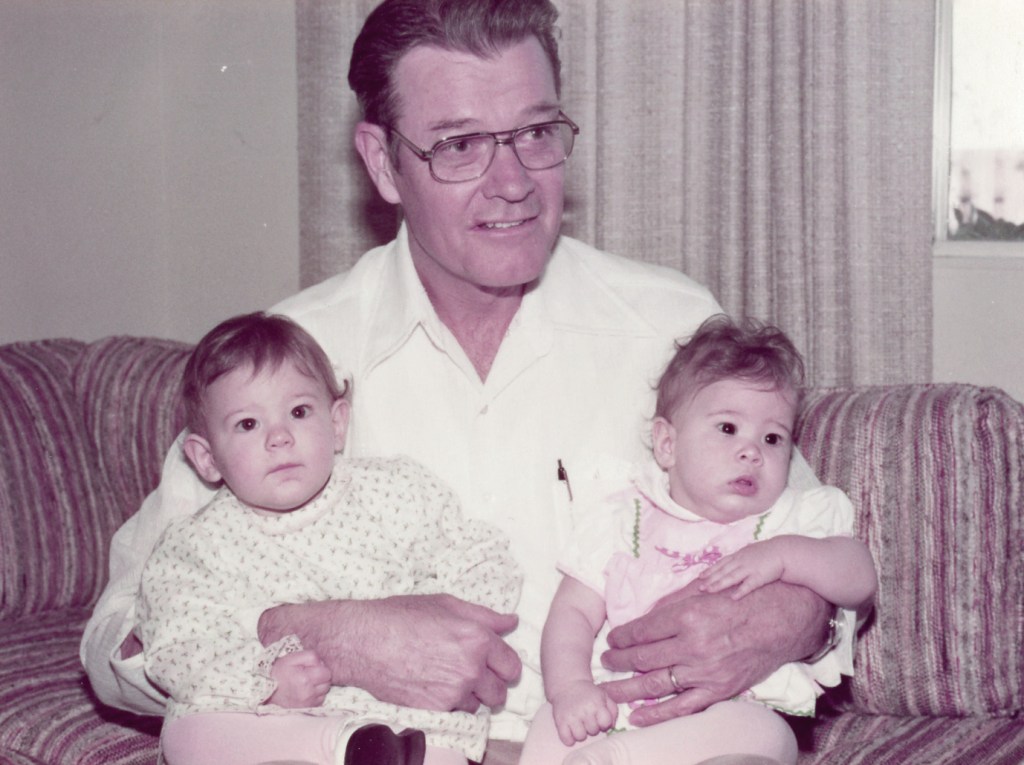
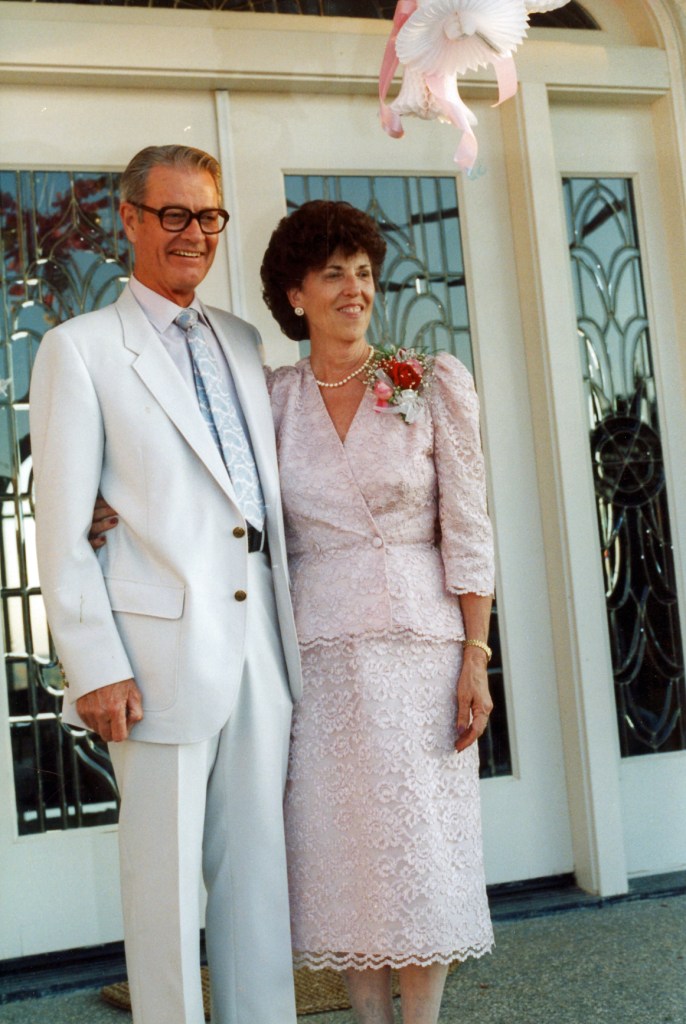
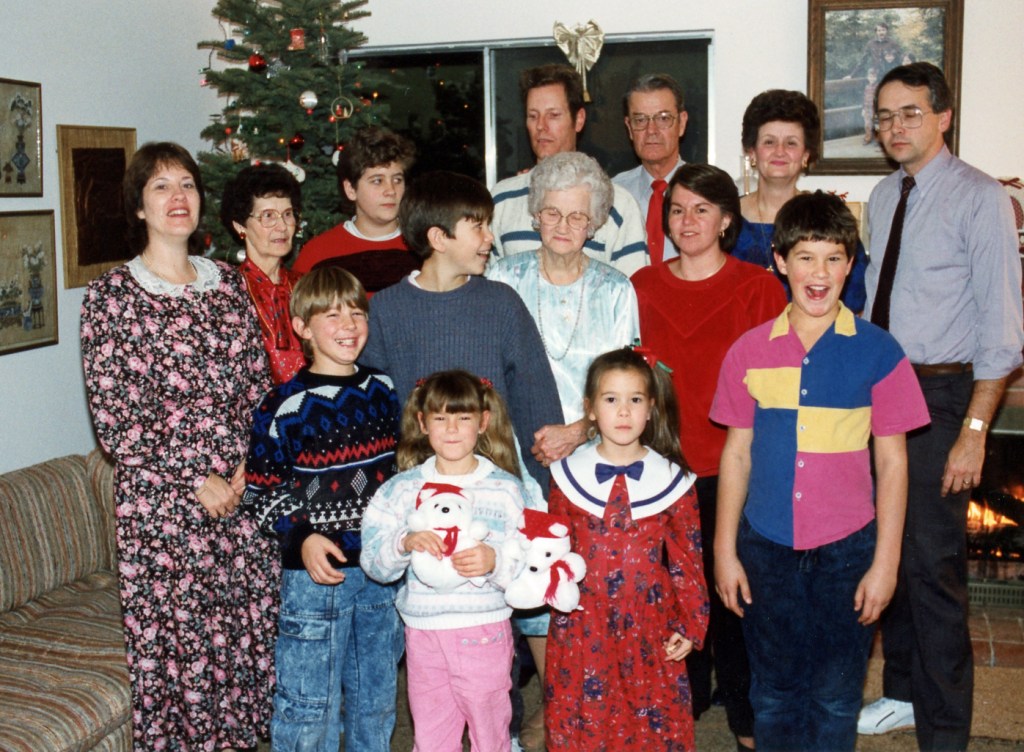
Relation of Lester Edgar to Karen Edgar: father
Page last updated May 4, 2026
Search the Staggs Family History site