BIRTH: 4 Dec 1722, Ulster County, New York, USA
DEATH: 17 Oct 1796, Johnstown, Montgomery County, New York, USA
FATHER: Jacob Sammons (1683–1750)
MOTHER: Catalyna Benson (1688–1755)
SPOUSE: Rachel Schoonmaker (1726–1822)
When Sampson Sammons was born on December 4, 1722, in Greenwich Village, New York, his father, Jacob, was 39 and his mother, Catalyna, was 34. He married Rachel Schoonmaker in 1750. They had nine children in 16 years. He died on October 17, 1796, in Johnstown, New York, at the age of 73, and was buried in Mohawk, New York.

Patriot Officer, Tryon County Exempts — Member, Committee of Safety — Frontier Defender
Sampson Sammons emerged as one of the most respected patriot leaders in the Mohawk Valley during the American Revolution, serving both as a military officer and as a civil authority in one of the most embattled regions of New York. Born in Ulster County, he settled in the Caughnawaga/Johnstown area long before the Revolution and became part of the Dutch‑American community that formed the backbone of patriot resistance in Tryon County. When war came to the frontier, Sammons—already in his fifties—did not retreat from public duty. Instead, he accepted a commission in the Tryon County Exempts, a militia class composed of older or otherwise exempt men who nevertheless remained capable of defending their settlements. Within this unit he served first as Ensign and later as Lieutenant under Captain Jellis Fonda, one of the most prominent patriot officers in the valley. His service placed him in a critical defensive role at a time when the Mohawk Valley was subjected to repeated Loyalist and Native raids, requiring constant vigilance, rapid mobilization, and the ability to protect families, farms, and supply routes.
Beyond his military responsibilities, Sammons played an equally important role in the political life of the region as a member of the Tryon County Committee of Safety, the de facto patriot government of the Mohawk Valley. This committee coordinated militia activity, managed intelligence, oversaw the handling of Loyalists, and maintained communication with General Philip Schuyler and the Continental Army. Sammons’ presence on the committee demonstrates the trust placed in him by his neighbors and confirms his position among the leading patriots of the county. His dual service—both civil and military—made him a central figure in sustaining the patriot cause in a region where loyalties were deeply divided and where the consequences of resistance were often deadly.
The first shot in the Revolution west of the Hudson River was fired at Col. Sammons by Johnson’s Rangers.
The Mohawk Valley was one of the earliest and most volatile frontiers of the American Revolution, and long before the great battles of 1777, tensions between Patriots and Loyalists had already erupted into violence. The statement that “the first shot in the Revolution west of the Hudson River was fired at Col. Sammons by Johnson’s Rangers” refers to an early confrontation in 1775, when Loyalist forces aligned with Sir John Johnson attempted to intimidate or suppress local Patriot leaders. Sampson Sammons, already a prominent member of the Tryon County Committee of Safety, was among the most outspoken advocates for resisting British authority. His home and family were well known to the Johnsons, and his political stance made him a natural target. During one of the earliest armed encounters in the region, a detachment of Johnson’s Rangers fired upon Sammons—an event remembered locally as the symbolic beginning of open hostilities in the Mohawk Valley.
This moment is significant because it marks the point at which political tension in the valley turned into actual warfare. The Mohawk Valley was strategically vital: it controlled the route between New England and the interior, and it was home to a mix of Patriots, Loyalists, and powerful Haudenosaunee nations. When Johnson’s Rangers fired on Sammons, it signaled that the conflict had reached the frontier and that local leaders like Sammons were now combatants in a struggle that would engulf the entire region. The shot did not begin the Revolution as a whole, but it did begin the Revolution in the Mohawk Valley, setting off a chain of raids, reprisals, and battles—including Oriskany, Klock’s Field, and the devastating frontier campaigns—that defined the war west of the Hudson.
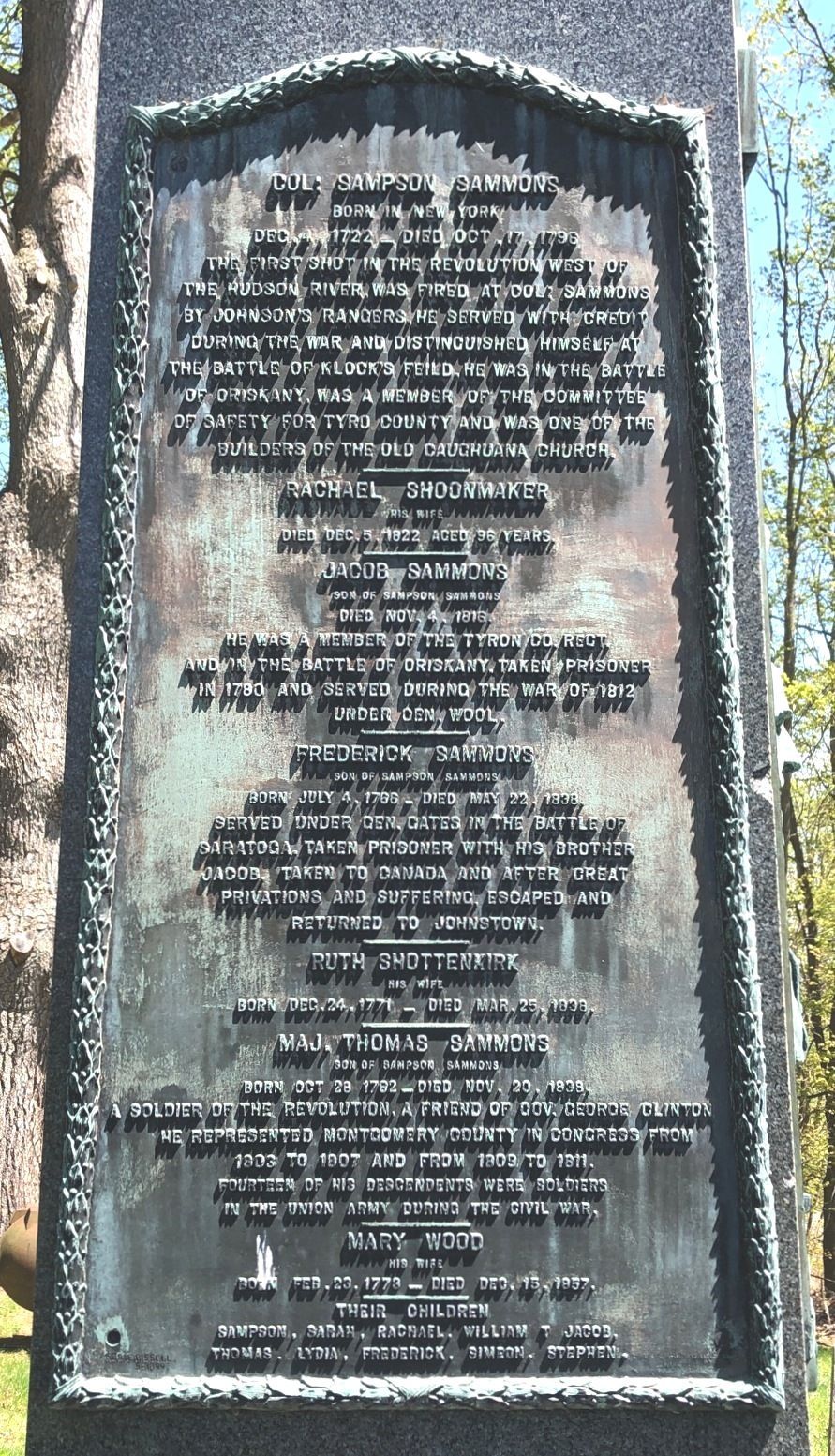
Sammons’ prominence made him a target. On May 21, 1780, during one of the most destructive raids of the war, Sir John Johnson led a force of 500 Tories and Mohawk warriors into the valley. The raiders specifically sought out the Sammons homestead, capturing Sampson and three of his sons, burning his home, and plundering his property. His capture underscores his importance: removing him was intended to weaken the patriot leadership of the region. Yet even in captivity, Sammons demonstrated remarkable courage. The following day, he confronted Sir John directly, reminding him of his broken parole and appealing to their former friendship. His calm but forceful rebuke moved Johnson to release him—an extraordinary act in a brutal frontier war. His sons were carried to Canada, but all eventually escaped and returned home.
Sampson Sammons continued to serve his community until his death in Johnstown in 1796. His military record—recognized by the Daughters of the American Revolution—confirms his service as Ensign and Lieutenant in the Exempts under Capt. Jellis Fonda, and his political record confirms his role on the Committee of Safety. Together, these roles place him among the most significant patriot figures of the Mohawk Valley, a man whose leadership, sacrifice, and steadfastness helped sustain the American cause in one of the war’s most dangerous theaters.
The Night the Valley Burned — The Raid on the Sammons Family, May 1780
The Mohawk Valley in the spring of 1780 was a place of uneasy quiet. The war had dragged on for five long years, and the frontier settlements lived in constant fear of raids. Farms that had once been peaceful Dutch homesteads were now fortified outposts, and every night families lay down to sleep wondering whether they would wake to the crack of musket fire or the shouts of Loyalist and Indian raiders.
Among the most respected families of the valley were the Sammons, long‑established Dutch settlers whose patriarch, Sampson Sammons, had been a pillar of the Tryon County Committee of Safety. His sons — Frederick, Jacob, and Thomas — were young, strong, and deeply committed to the patriot cause. Their home stood near the Cayadutta Creek, a modest but prosperous farm that had become a symbol of steadfast resistance in a region torn apart by divided loyalties.
Far to the north, another man brooded over the valley: Sir John Johnson, son of Sir William Johnson, the former royal superintendent of Indian affairs. Sir John had once been a neighbor, a man raised among the very people he now sought to destroy. But after refusing to honor his parole to General Schuyler, he had fled to Canada, raised a Loyalist regiment known as Johnson’s Greens, and vowed revenge on those he believed had betrayed him.
In May 1780, he returned.
The Descent of the Raiders
On the night of May 21, 1780, Sir John Johnson led a force of five hundred Tories and Indians through the wilderness from Crown Point. Moving silently under cover of darkness, they reached the outskirts of Johnstown shortly after midnight. Sir John divided his force: one column was ordered to strike the Mohawk River at Tribes Hill and burn every patriot farm along the way; the other, which he personally commanded, slipped through the village of Johnstown, passing unnoticed by the sentries of the small picketed fort.
Before dawn, Sir John reached Johnson Hall — once his own home — and seized two prisoners. Then he moved toward the Cayadutta Creek, where the Sammons farm stood directly in his path.
The Capture of the Sammons Family
The Sammons family was still asleep when a Tory named Sunderland, leading a detachment of raiders, surrounded the house. As the first light of morning crept over the valley, Thomas Sammons, the youngest son, stepped outside to check the weather. He was seized instantly.
It was the first warning the family had.
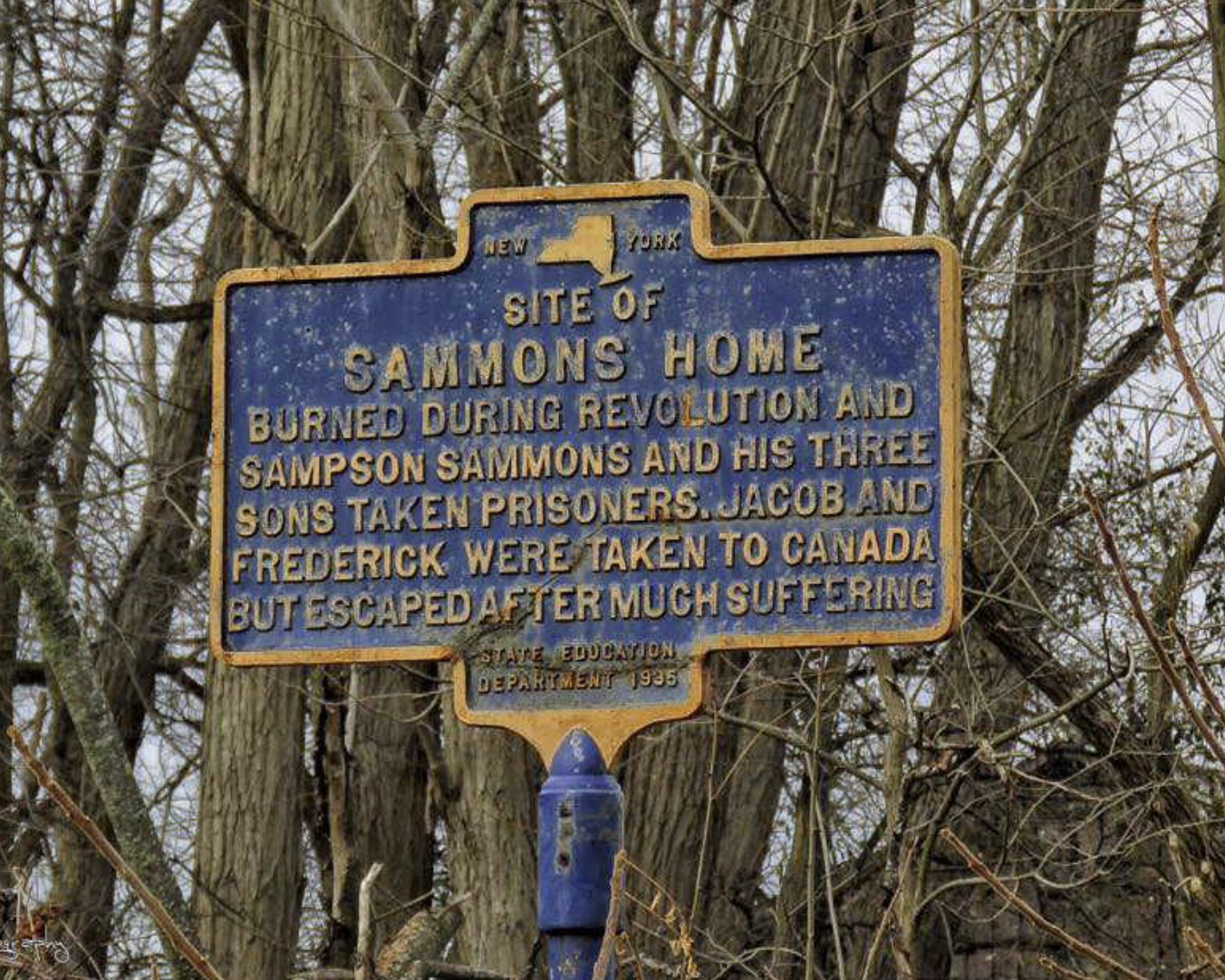
Within moments, the raiders burst into the house. Sampson Sammons, along with his sons Frederick and Jacob, were taken prisoner. The women of the household were left unharmed, but the raiders plundered the home of all valuables. The house itself was left to burn — one more patriot homestead reduced to ashes. The prisoners were marched away to join Sir John’s main column, which continued its destructive sweep down the Mohawk. The Gazetteer records the brutality of the raid:
“Within a few miles, nine aged men, four of whom were upwards of eighty years of age, were murdered and scalped.”
Among the dead was old Mr. Fonda, age eighty — a man whom Sir John’s own father had once described as “like a father to him.”
Sampson Sammons Confronts Sir John Johnson
By afternoon, Sir John had rejoined his other column and gathered the plunder — including plate and valuables from Johnson Hall, packed into two barrels and distributed among forty soldiers to carry to Montreal. The next day, as the prisoners were marched north toward Canada, Sampson Sammons requested an interview with Sir John. Surprisingly, the request was granted.
Standing before the man who had once been his neighbor, Sampson spoke with calm but devastating clarity. He reminded Sir John of their past friendship, of the times he had defended him before the Committee of Safety, of the parole Sir John had broken when he fled to Canada. Then he pointed to the devastation around them:
“You have taken myself and my sons prisoners, burned my dwelling to ashes, and left the helpless members of my family with no covering but the heavens above…”
He spoke of old Mr. Fonda’s murder, of the cruelty of the raids, and of the futility of such a war. His words struck home. The Gazetteer records:
“The appeal had its effect. The old gentleman was released and a span of his horses restored to him.”
Sampson Sammons was freed on the spot.
But his sons were not.
The Ordeal of the Sammons Sons
When Sir John Johnson marched away from the smoldering ruins of the Sammons homestead, he carried with him three of Sampson’s sons — Frederick, Jacob, and Thomas — bound for Canada as prisoners of war. Their capture marked the beginning of a long and harrowing ordeal, one that would test each of them in different ways.
The march north was brutal. The prisoners were driven through the wilderness with little food and no certainty of their fate. Nights were spent under the open sky, watched constantly by Tory guards and Mohawk warriors. Behind them lay the ashes of their home; ahead lay the unknown.
Upon reaching Canada, the brothers were separated.
Frederick’s Escape
Frederick, the eldest of the three captives, was taken to Fort Chambly, a stone fortress on the Richelieu River. Conditions were harsh: food was scarce, disease was common, and prisoners were treated with suspicion and hostility.
But Frederick possessed a quiet determination. After months of confinement, he seized an opportunity to escape. Slipping away under cover of darkness, he fled into the wilderness, traveling alone through forests and swamps, guided only by instinct and the distant memory of home. His journey was long and perilous, but he eventually reached the Mohawk Valley — gaunt, exhausted, but free.
Jacob’s Ordeal
Jacob Sammons faced a similar ordeal. He, too, was held in Canada under difficult conditions. Like his brother, he refused to accept captivity as his fate. Jacob eventually managed to escape, though the details of his flight are less well preserved. What is known is that he endured great hardship on the journey south, navigating hostile territory and relying on the kindness of scattered sympathizers. In time, he too returned to his family, carrying the scars — physical and emotional — of his imprisonment.
Thomas, the Youngest
Thomas Sammons, the youngest, suffered greatly during his captivity. He had been the first seized that morning, taken as he stepped outside to check the weather, and he remained a prisoner long after his father had been released. His youth made him both vulnerable and resilient. Though he endured harsh treatment, he survived, and like his brothers, he eventually found his way home. His return, though delayed, completed the family’s long circle of suffering and reunion.
Legacy of the Raid
In the end, all three Sammons sons returned to the Mohawk Valley — changed men, but alive. Their escape and survival became part of the valley’s Revolutionary War lore, remembered alongside the burning of their home and the courage of their father. The Sammons family, though wounded, endured. Their story became one of the defining legends of the Mohawk frontier: a tale of loyalty, suffering, resilience, and the unbreakable bonds of family.
The raid on the Sammons homestead stands today as one of the most vivid examples of the personal cost of the Revolutionary War in upstate New York — a moment when neighbors became enemies, when homes burned, when families were torn apart, and when courage and dignity shone through even the darkest hours.
Research identifying the ancestral line between Edmund Sammons and Sampson Sammons
Research by Harold Staggs revealed that Edmund Sammons and Harriet Connor were the parents of George B. Sammons. However, he was unable to identify the ancestral line between Edmund Sammons and Sampson Sammons. My research suggests that the ancestral line is
Sampson Sammons (1721–1796) → Jacob Sammons (1752–1815) → Frederick Sammons (1789–1847) → Edmund Sammons (1814–1885)
A compiled lineage published by the State of Illinois, Daughters of the American Revolution, in The Vallandigham and The Sammons Families, identifies Frederick Sammons (1789–1847) as a son of Jacob Sammons (born 23 April 1752) and his wife Eva Veeder, and places Jacob as a son of Sampson Sammons (1721–1796) and Rachel Schoonmaker. This DAR‑endorsed lineage is consistent with independent evidence: Jacob and Eva are documented in Schenectady and Mohawk Valley Dutch Reformed Church records as a married couple with children baptized between 1777 and the mid‑1780s, and the naming of a son Frederick aligns with established Dutch naming customs in the Sammons family. Further, Frederick Sammons appears in Bradford County, Pennsylvania, records with his wife Sarah Hueston (1794–1872), and their son Edmund Sammons (1814–1885) is documented in census, probate, and cemetery records, consistently residing in proximity to other known descendants of Jacob and Eva. The convergence of the DAR‑compiled lineage with the geographic, naming, and cluster evidence from primary records provides a coherent and well‑supported genealogical argument that Frederick is correctly placed as a son of Jacob Sammons and Eva Veeder, and that he, in turn, is the father of Edmund Sammons, husband of Harriett C. Connor (1824–1872).
- See a more detailed explanation of the research and conclusions.
- Staggs Genealogy – Harold Wareham Staggs – His Book: Part 2 -Sammons Line
Legacy of Sampson Sammons
Parents
Father: Jacob Sammons (1683–1750)
Mother: Catalyna Benson (1688–1755)
Married
Rachel Schoonmaker (1726–1822)
Children
- Jacob Sammons (1752–1815) married Eva Veeder (1761–1834)
- Elizabeth Sammons (1754–1817) married Hendrick H Vrooman (1754-1815)
- Catalyntje Sammons (1756–1823) married Abraham Jansen (1757–1826)
- Rachel Sammons (1758–1800) married Stephen Shew (1761–1843)
- Frederick Schoonmaker Sammons (1760–1838)
- Thomas S Sammons (1762–1838) married Ruth Shottenkirk (1777–1838)
- Eva Sammons (1764–?) married —- Hasbrouck
- Jane Sammons (1766–1836) married Peter A Cantine (1765–1843)
- Lydia Sammons (1768–1799) married Jacob Wilson (1764-1838)
Documents
- Birth Records
- Sampson Sammons’ accepted birthdate is 1720. This is the date used by DAR, SAR, and all reputable Mohawk Valley historical sources.
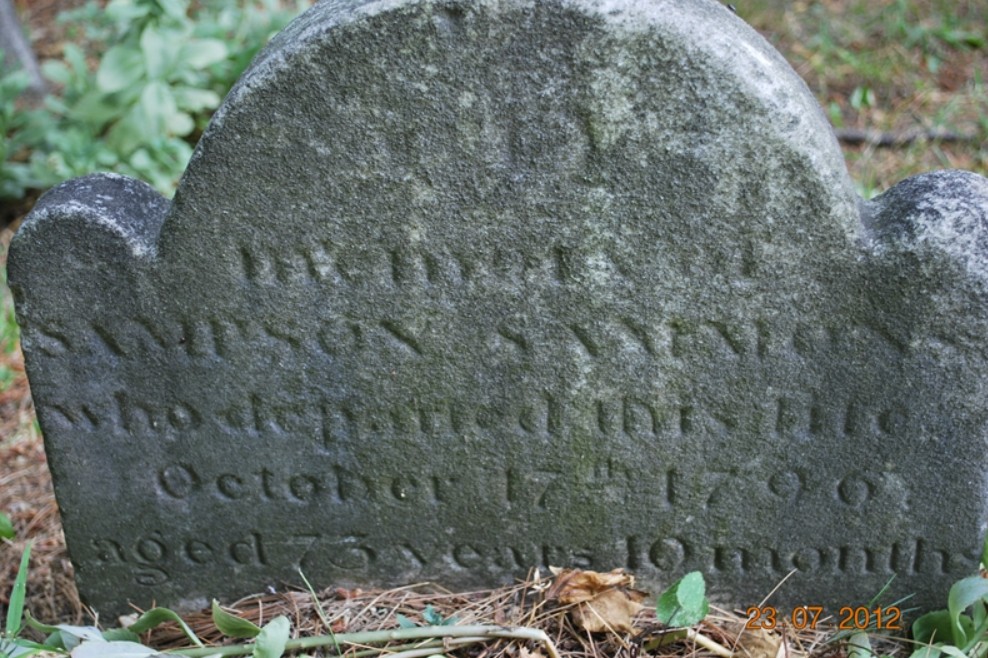
- Sampson Sammons’ headstone is inscribed: “Here lies SAMPSON SAMMONS who departed this life October 17th 1796 aged 73 years 10 months” That would indicate a birth in December 1722.
- Marriage records
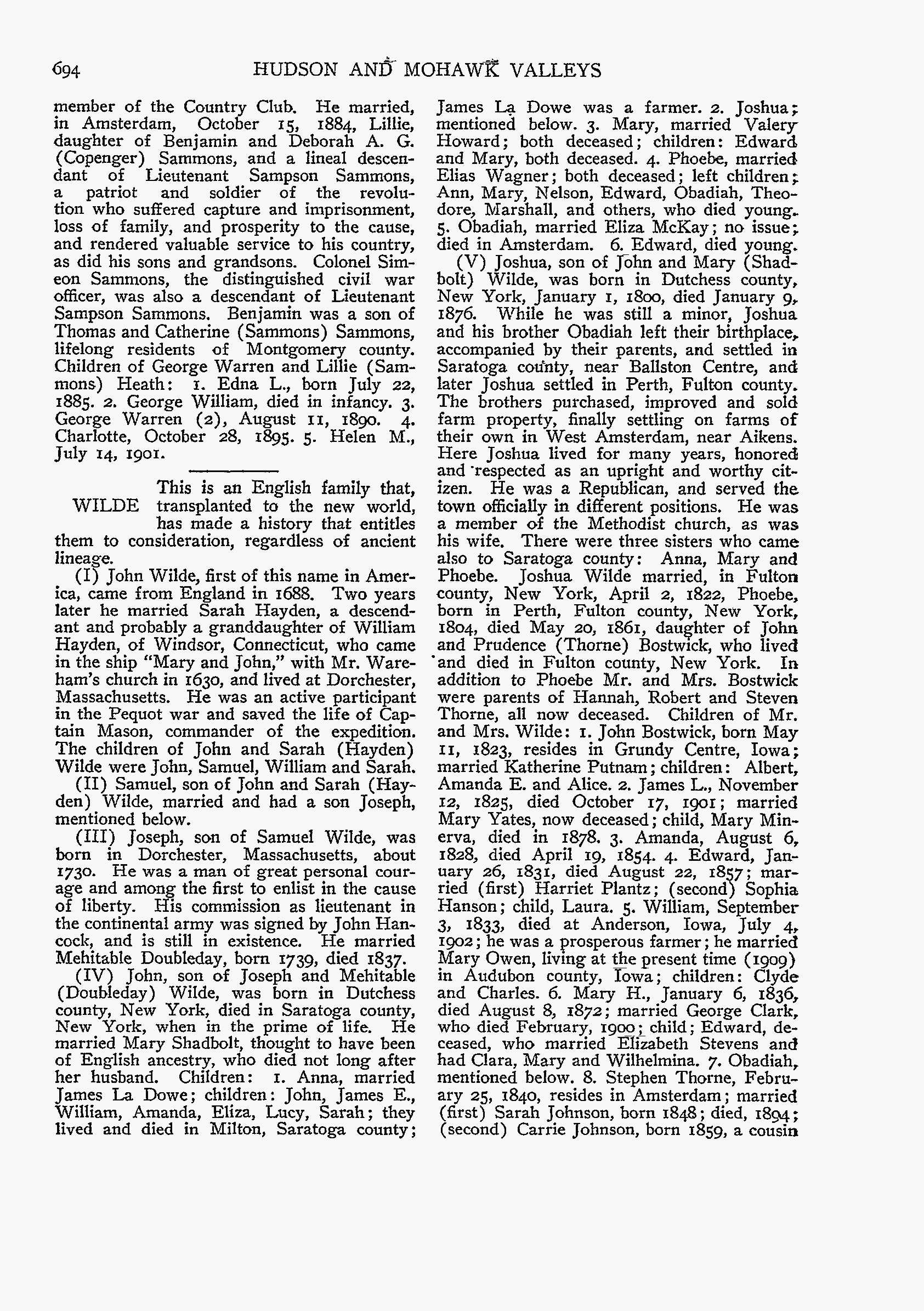
- Hudson-Mohawk Genealogical and Family Memoirs, Vol. III, Hudson-Mohawk Family Histories > Sampson Sammons married, in Ulster county, Rachel Schoonmaker, baptized January 16, 1726, died December 5, 1822. She was of the fourth generation of the Schoonmakers in America, descended from Hendrick Jochemson Schoonmaker, a native of Hamburg, Germany.
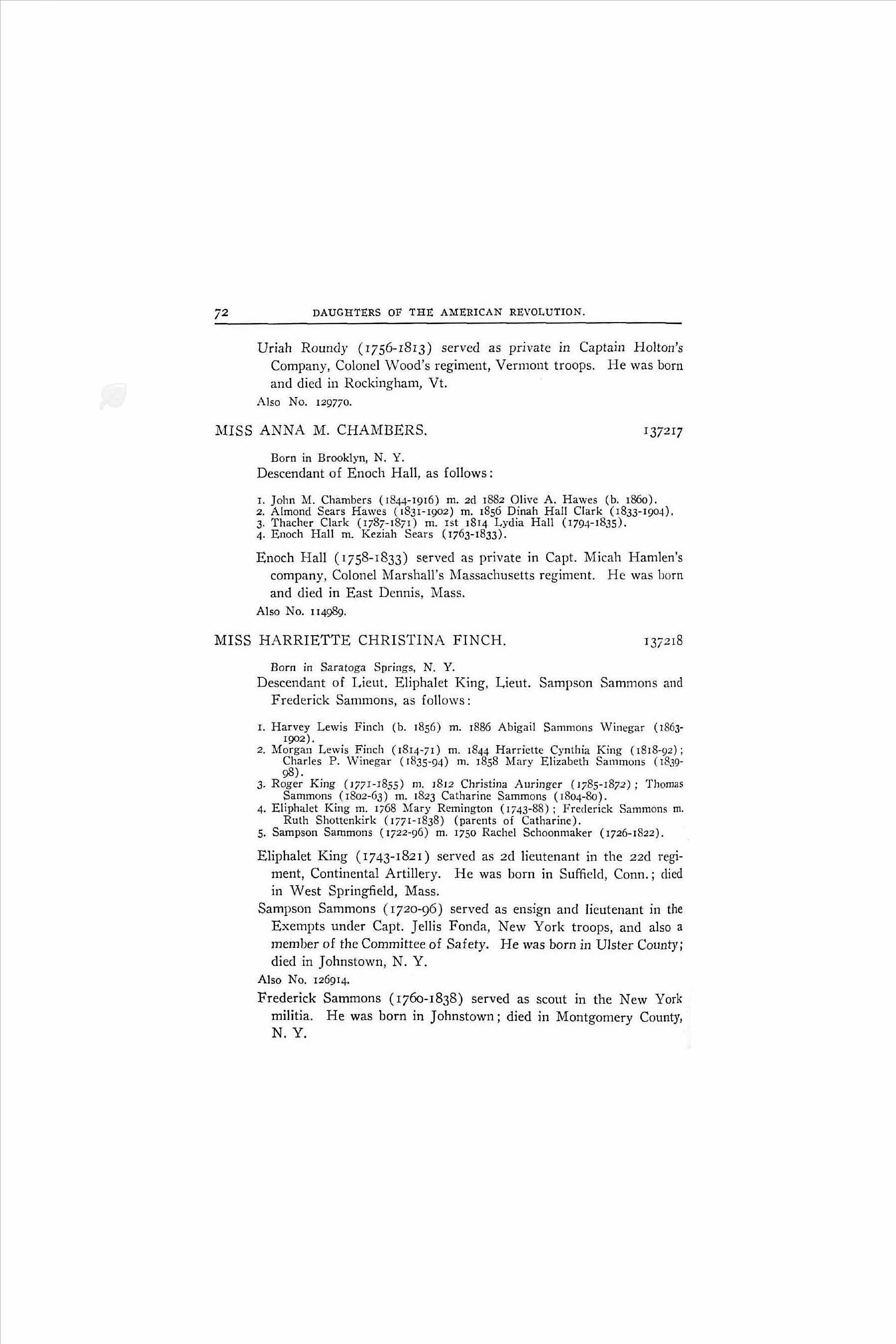
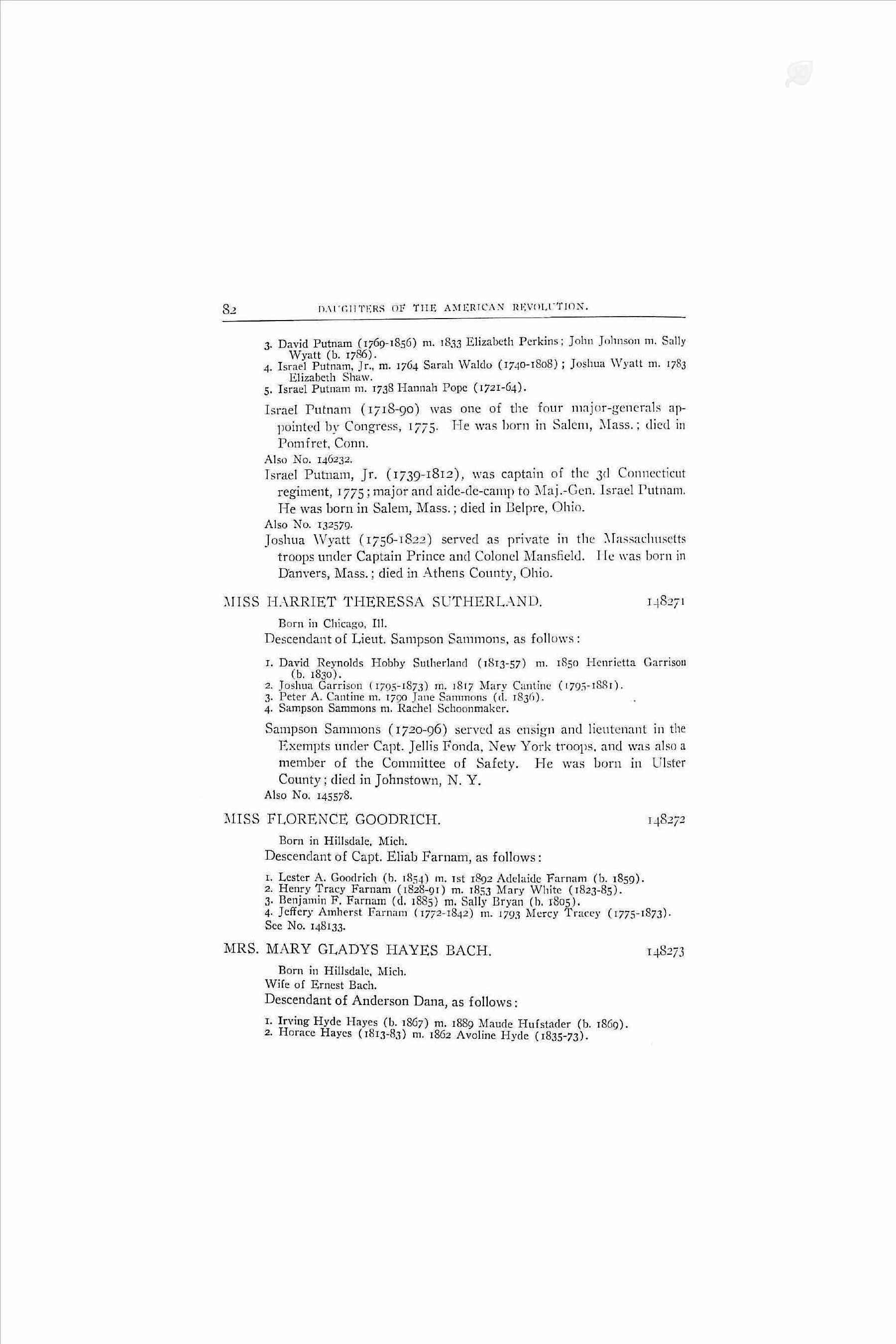
- Daughters of the American Revolution Lineage Book NSDAR Volume 138 1918 > Sampson Sammons (1720–96) m. 1750 Rachel Schoonmaker (1726-1822).
- Death records
- Find a Grave: Death Date: 17 Oct 1796; Death Place: Johnstown, Fulton County, New York, United States of America
- Cemetery: Sammons Cemetery
- Burial Place: Mohawk, Montgomery County, New York, United States of America
- Other
- Hudson-Mohawk Genealogical and Family Memoirs, Vol. III, Hudson-Mohawk Family Histories > Sampson, son of Jacob and Catalyntje (Bensen) Sammons, was born in Greenwich, New York (now a part of New York City), December 7, 1721, died October 17, 1795, and is buried in the old Sammons cemetery on the Sammons homestead farm, south of Johnstown, Fulton county, New York.
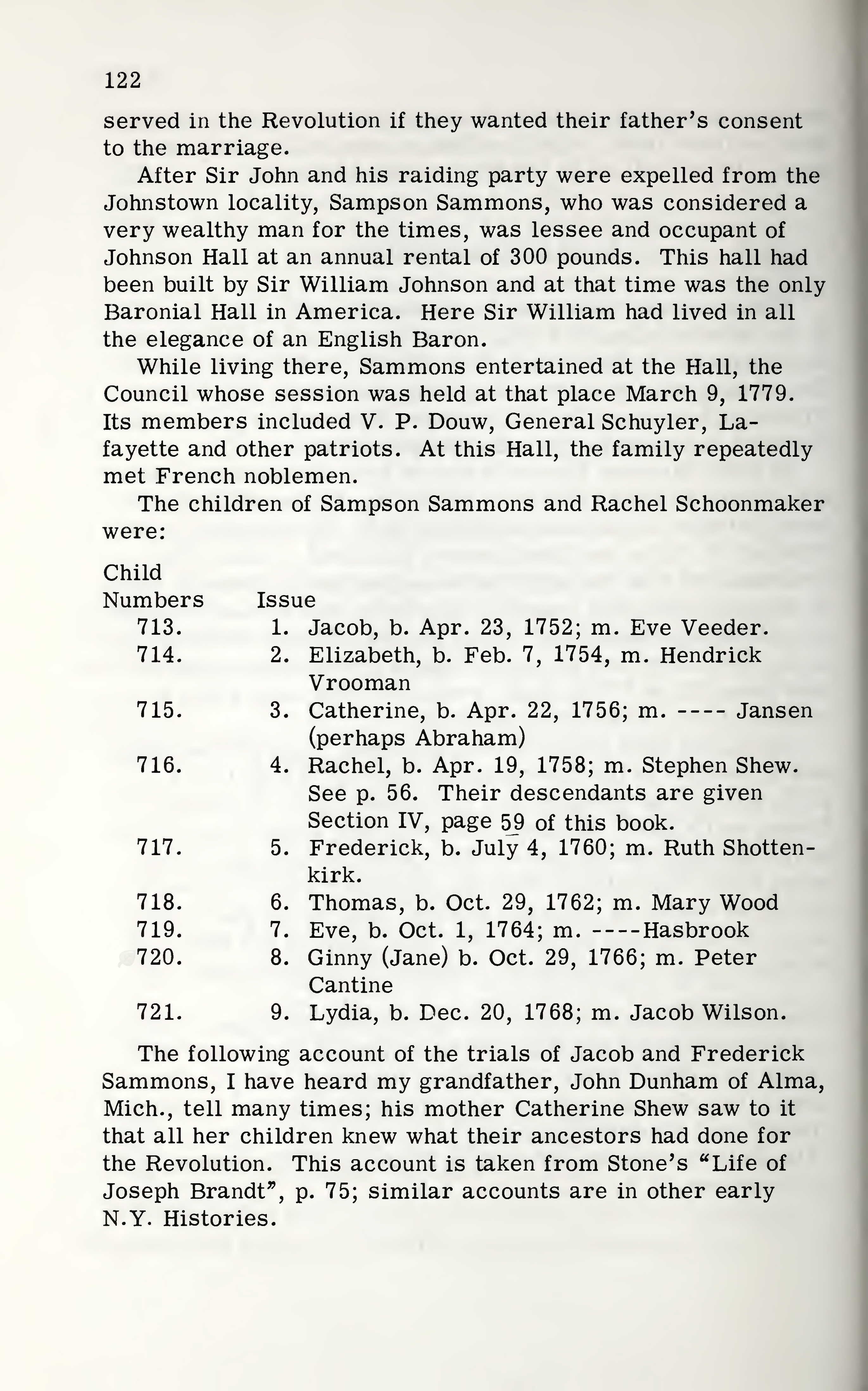
- U.S., Family History Books > Children of Sampson Sammons and Rachel Schoonmaker
- Gazetteer and business directory of Montgomery and Fulton Counties, N.Y.: for 1869-70 > It was scarcely light when a Tory named Sunderland, with a resolute band, surrounded the house of Mr. Sammons and arrested Thomas, the youngest son, as he stepped to the door to observe the weather. This was the first intimation of danger. The father and two other sons were immediately made prisoners without any opportunity for defense, but the females were left undisturbed, after plundering the house of all valuables.
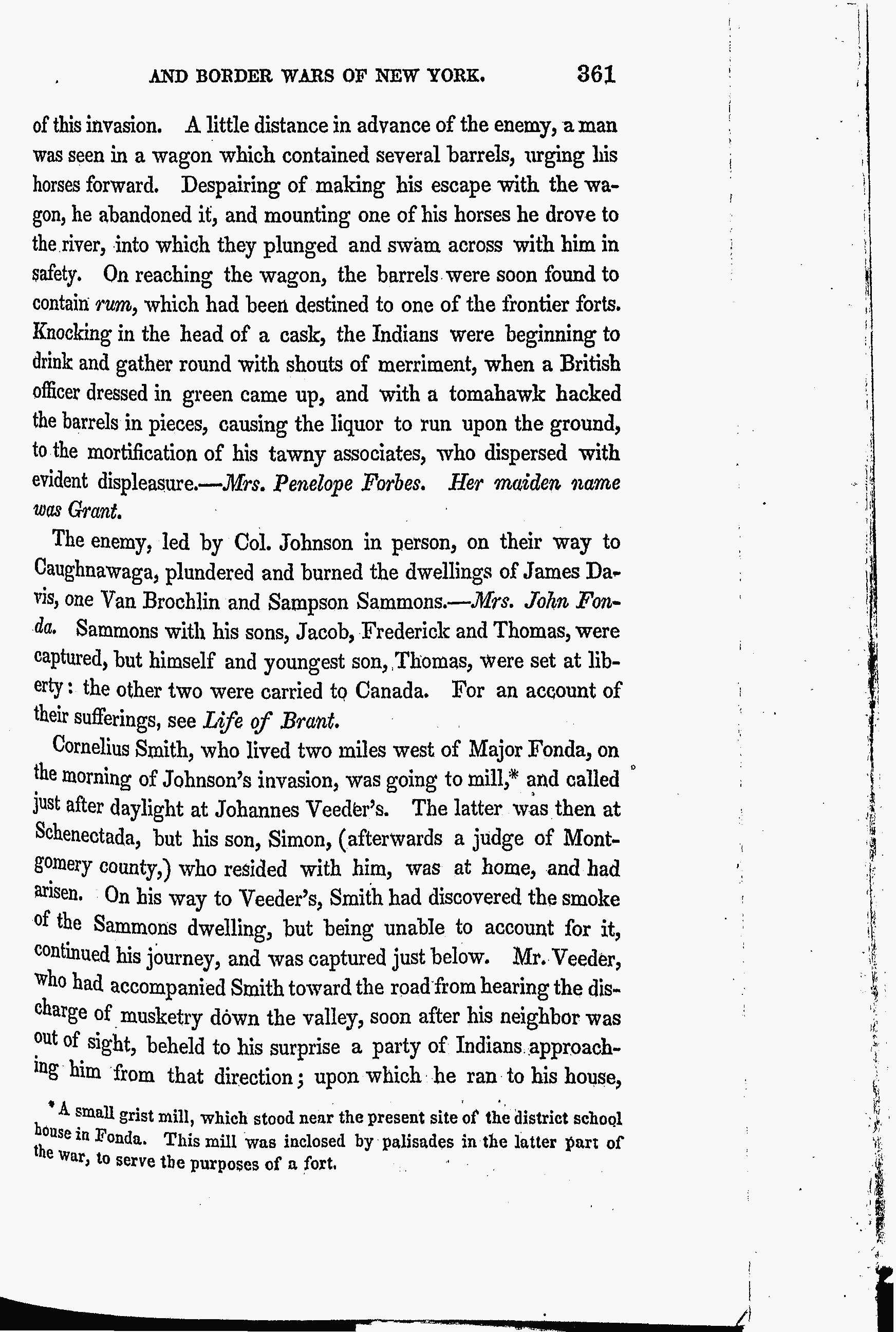
- History of Schoharie County and Border Wars of New York > Sammons with his sons were captured
- Hudson-Mohawk Genealogical and Family Memoirs, Vol. II
- Daughters of the American Revolution Lineage Book NSDAR Volume 138 1918 > Sampson Sammons (1720–96) served as ensign and lieutenant in the Exempts under Capt. Jellis Fonda, New York troops, and also a member of the Committee of Safety. He was born in Ulster County; died in Johnstown, N.Y.
- Daughters of the American Revolution Lineage Book NSDAR Volume 149 1919 > Sampson Sammons (1720–96) served as ensign and lieutenant in the Exempts under Capt. Jellis Fonda, New York troops, and also a member of the Committee of Safety. He was born in Ulster County; died in Johnstown, N.Y.
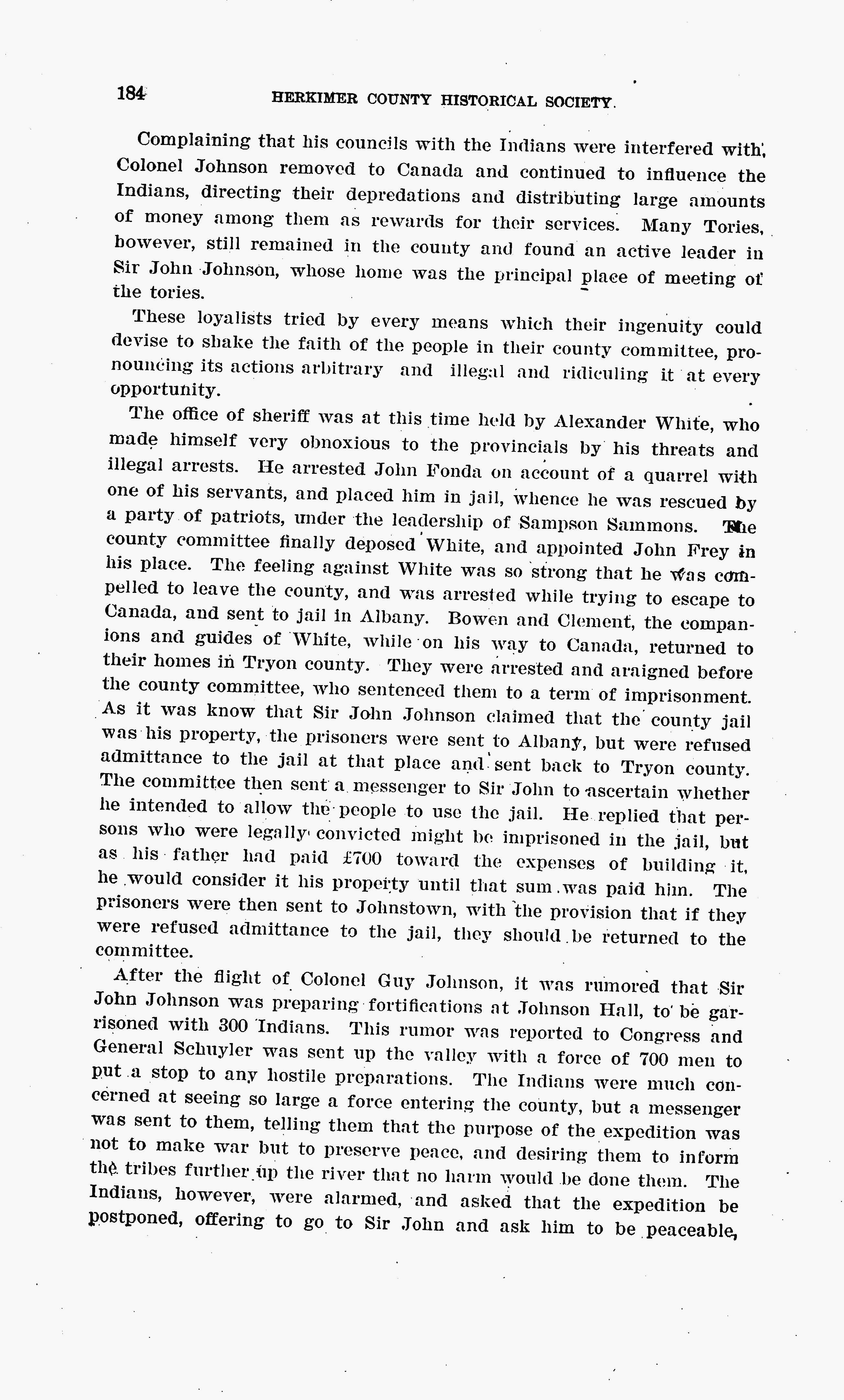
- Papers read before the Herkimer County Historical Society
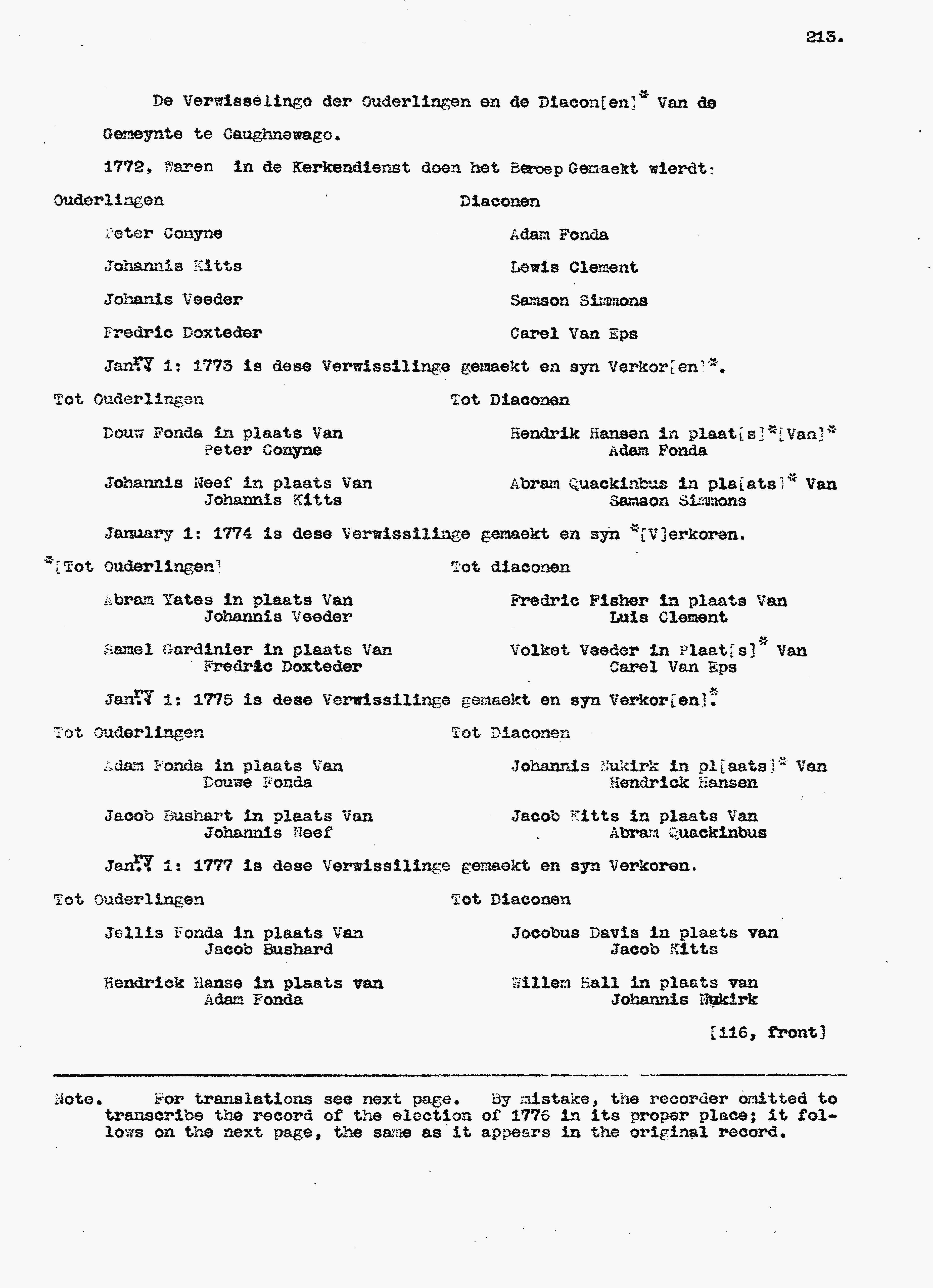
- Records of the Reformed Protestant Dutch Church of Caughnawaga > Deacon Sampson Sammons
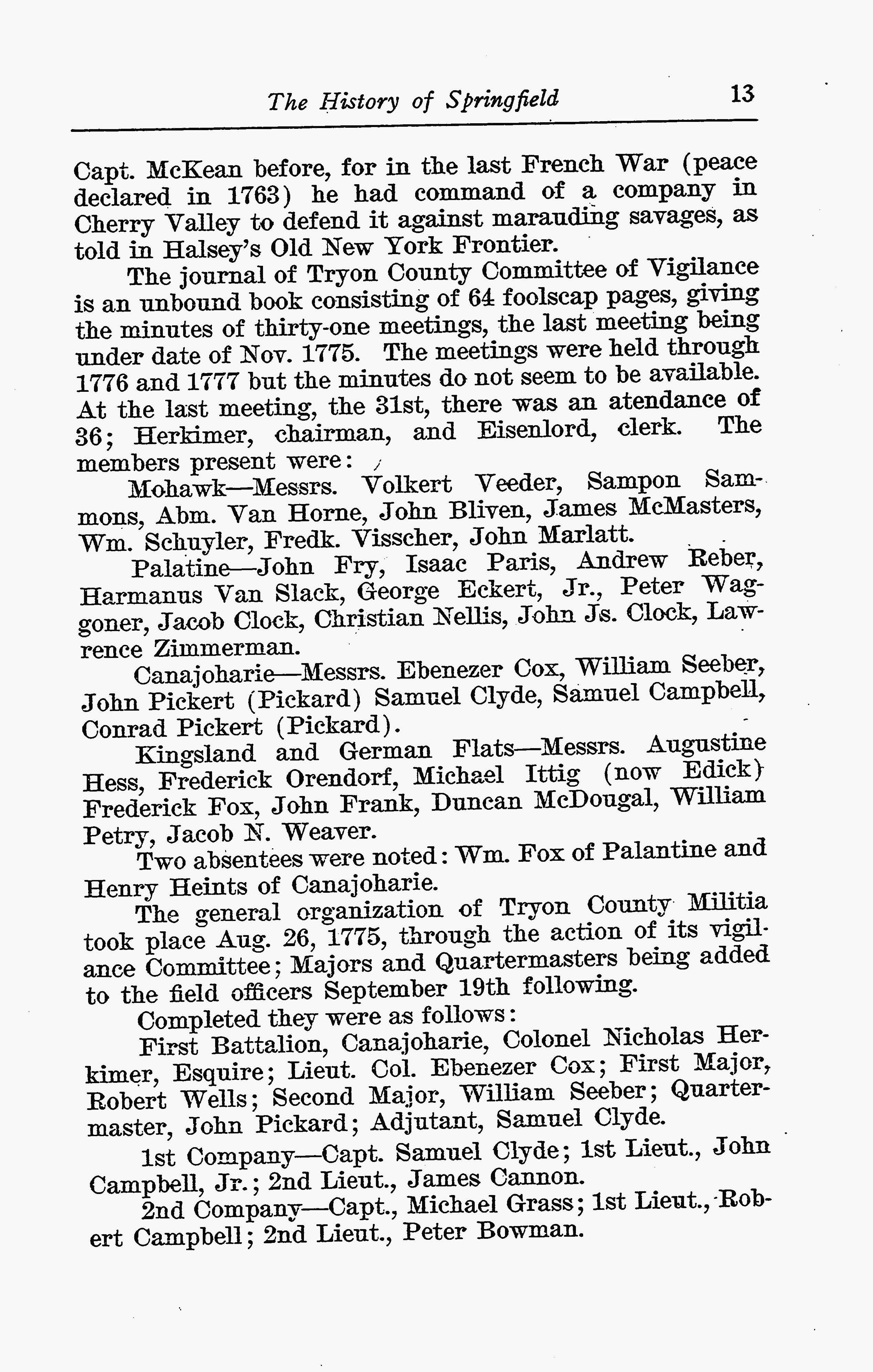
- The history of Springfield > Chapter I. First settlers and the revolution > Sampson Sammons
Relation of Sampson Sammons to Steven Barry Staggs: 5th great-grandfather
Page last updated April 21, 2026
Search the Staggs Family History site