BIRTH: 2 Apr 1761, Fonda, Mohawk, Montgomery, New York USA
DEATH: 10 JUN 1834, Geddes, Onondaga County, New York, USA
FATHER: Johannes Volkert Veeder (1714–1798)
MOTHER: Catharina Abrahamse Mabie (1720–1788)
SPOUSE: Jacob Sammons (1752-1815)
When Eva Veeder was born on April 2, 1761, in Fonda, New York, her father, Johannes, was 46, and her mother, Catharina, was 40. She married Jacob Sammons on July 2, 1777, in her hometown. They had 12 children in 23 years. She died on June 10, 1834, in Geddes, New York, at the age of 73, and was buried in Westvale, New York.
The Life of Eva Veeder
Eva Veeder was born on 2 April 1761 in Fonda, in the Mohawk Valley of what would later become Montgomery County, New York. She entered the world as the daughter of Johannes Volkert Veeder (1714–1798) and Catharina Abrahamse Mabie (1720–1788) — two families deeply woven into the early Dutch‑American fabric of the valley. The Veeders and Mabies were among the long‑established settlers of the region, their farms lining the river flats, their names appearing in church records, militia rolls, and land transactions long before the Revolution.
Eva grew up in a world shaped by the rhythms of Dutch Reformed life: baptisms recorded in the old church at Caughnawaga, seasonal farm labor, and the constant movement of traders, travelers, and Native families along the Mohawk River. Her childhood would have been filled with the sounds of the valley — the creak of wagons, the tolling of church bells, and the multilingual chatter of a frontier community where Dutch, English, German, and Mohawk mingled.
A Marriage in a Time of War
On 2 July 1777, at just sixteen years old, Eva married Jacob Sammons (1752–1815), the son of Sampson Sammons, one of the most prominent families in the Mohawk Valley. Their marriage took place during one of the most turbulent years of the American Revolution. British forces and their allies were pressing into the valley, Loyalist raids were increasing, and the Sammons family itself would soon suffer capture and imprisonment.
Jacob, ten years older than Eva, was already deeply involved in the patriot cause. He would later serve as a Lieutenant in Colonel Marinus Willett’s Regiment of New York State Levies, fighting in the final years of the war to defend the frontier settlements from raids and destruction. While Jacob was away on military duty, Eva managed the household, cared for young children, and lived with the constant fear that the war might reach her doorstep — as it often did for families in the Mohawk Valley.
Motherhood on the Frontier
Between 1778 and 1801, Eva gave birth to twelve children, a testament to both her resilience and the demands of frontier family life: Simson Sammons, Rachel Sammons, Catrina Sammons, Elizabeth Sammons, Johannes Sammons, Frederick Sammons, Abijah Sammons, Simeon Sammons, Thomas Sammons, Eva Sammons, Mary Sammons, and Benjamin Sammons.
Her children’s lives would carry the Sammons name into New York, Pennsylvania, Illinois, and beyond — a sprawling family whose roots all trace back to Eva’s household.
After the Revolution: A New York Life
When the war ended, Eva and Jacob remained in New York, part of the generation that rebuilt the Mohawk Valley after years of devastation. They later moved westward within the state, eventually settling in Geddes, Onondaga County, near the growing salt works and the emerging city of Syracuse.
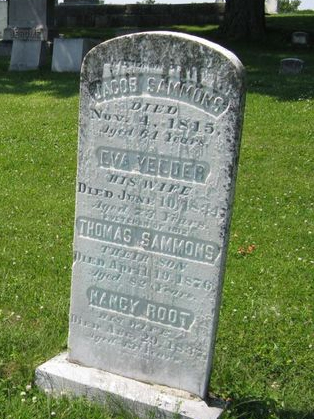
Jacob died in 1815, leaving Eva a widow at fifty‑four. She lived nearly two decades longer, surrounded by children and grandchildren, her life spanning from the colonial era through the early decades of the American republic.
Final Years and Resting Place
Eva died on 10 June 1834 in Geddes, Onondaga County, New York, at the age of seventy‑three. She was buried in Myrtle Hill Cemetery in Westvale, a quiet resting place overlooking the region where she spent her final years.
Her grave lies far from the Mohawk Valley where she was born, yet her life story remains deeply tied to that place — to its Dutch heritage, its Revolutionary War struggles, and its enduring families.
Legacy of Eva Veeder
Eva Veeder’s life reflects the experience of countless women of the Revolutionary era whose names appear in church books, census lines, and family Bibles but whose stories are rarely told in full. She:
- Grew up in one of the most culturally rich regions of early America
- Married during the height of the Revolution
- Raised a large family while her husband served in the militia
- Survived the upheavals of war and migration
- Lived to see her children establish families across New York and beyond
Her descendants — including the Sammons lines you are documenting — carry forward the legacy of a woman whose life bridged the colonial world and the early United States.
Parents
FATHER: Johannes Volkert Veeder (1714–1798)
MOTHER: Catharina Abrahamse Mabie (1720–1788)Married
Jacob Sammons (1752-1815) married on 2 Jul 1777 in Fonda, Montgomery, New York, USA
Children
- Simson Sammons (1778–1778)
- Rachel Sammons (1779–1830) married John Davis (1775–1833)
- Catrina Sammons (1781–1845) married Daniel Thurston (1778–1861)
- Elizabeth Sammons (1784–1877) married Peter Stall (1755–1824)
- Johannes Sammons (1786–?) married Abigail Smith
- Frederick Sammons (1789–1848) Sarah Hueston (1794–1872)
- Abijah Sammons (1790–?)
- Simeon Sammons (1792–1859) married Mary Gaspar (?-1869)
- Thomas Sammons (1794–1876) married Nancy Root (1794–1837)
- Eva Sammons (1796–?) married William Evans (1800–1836)
- Mary Sammons (1799–1875) married William Foster (1799–1886)
- Benjamin Sammons (1801–1890) married Sophronia Woodard (1829–1890)
Documents
- Birth Records
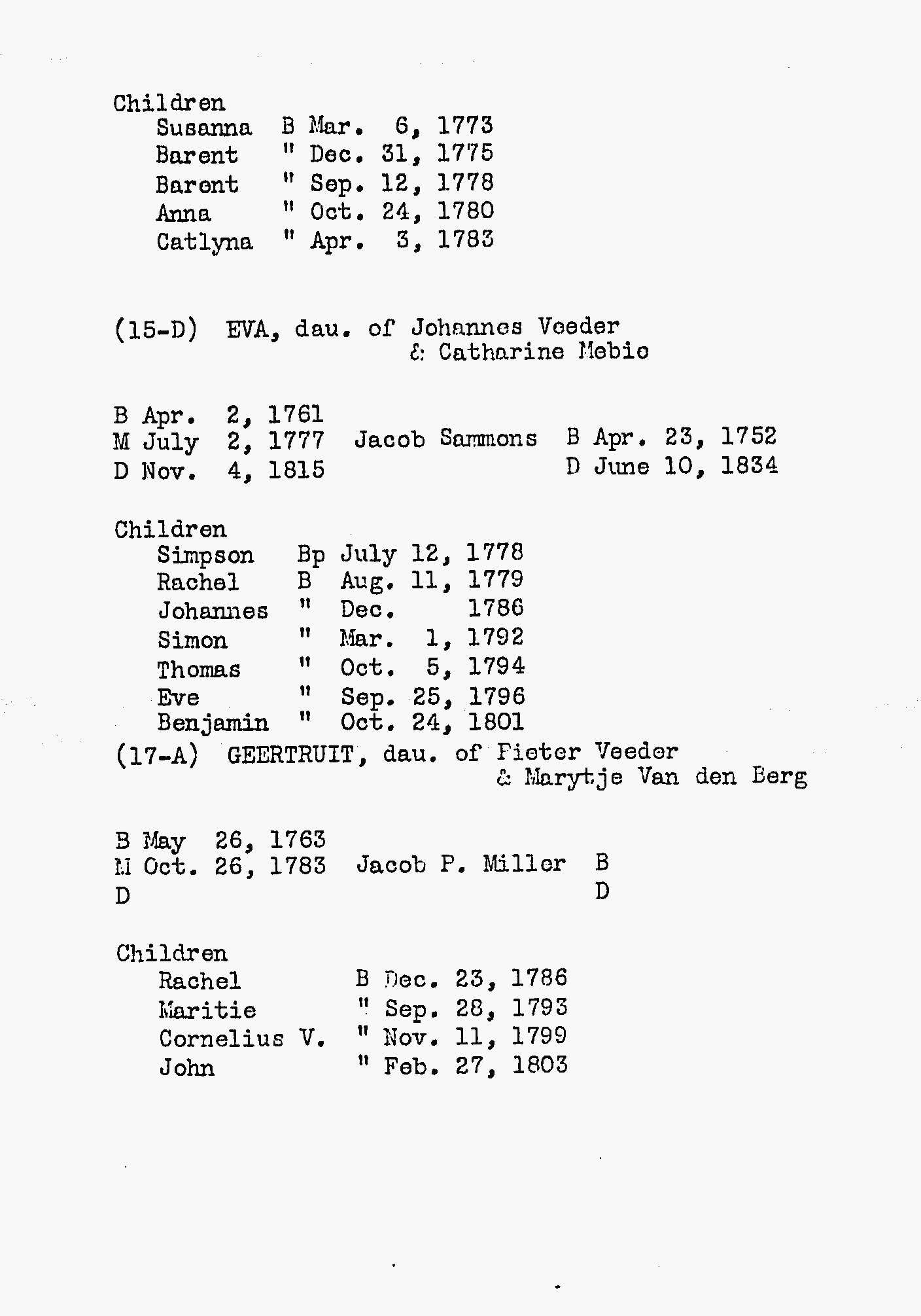
- The genealogical record of the Veeder family > Simon Volkertse Veeder > Eva Veeder, Daughter of: Johannes Veeder & Catharine Mebie, Born: April 2, 1761, Died: June 10, 1834, Married: July 2, 1777 Jacob Sammons (Born: April 23, 1752, Died: November 4, 1815)
- Find a Grave: Birth: 2 Apr 1761, New York, USA
- Marriage records
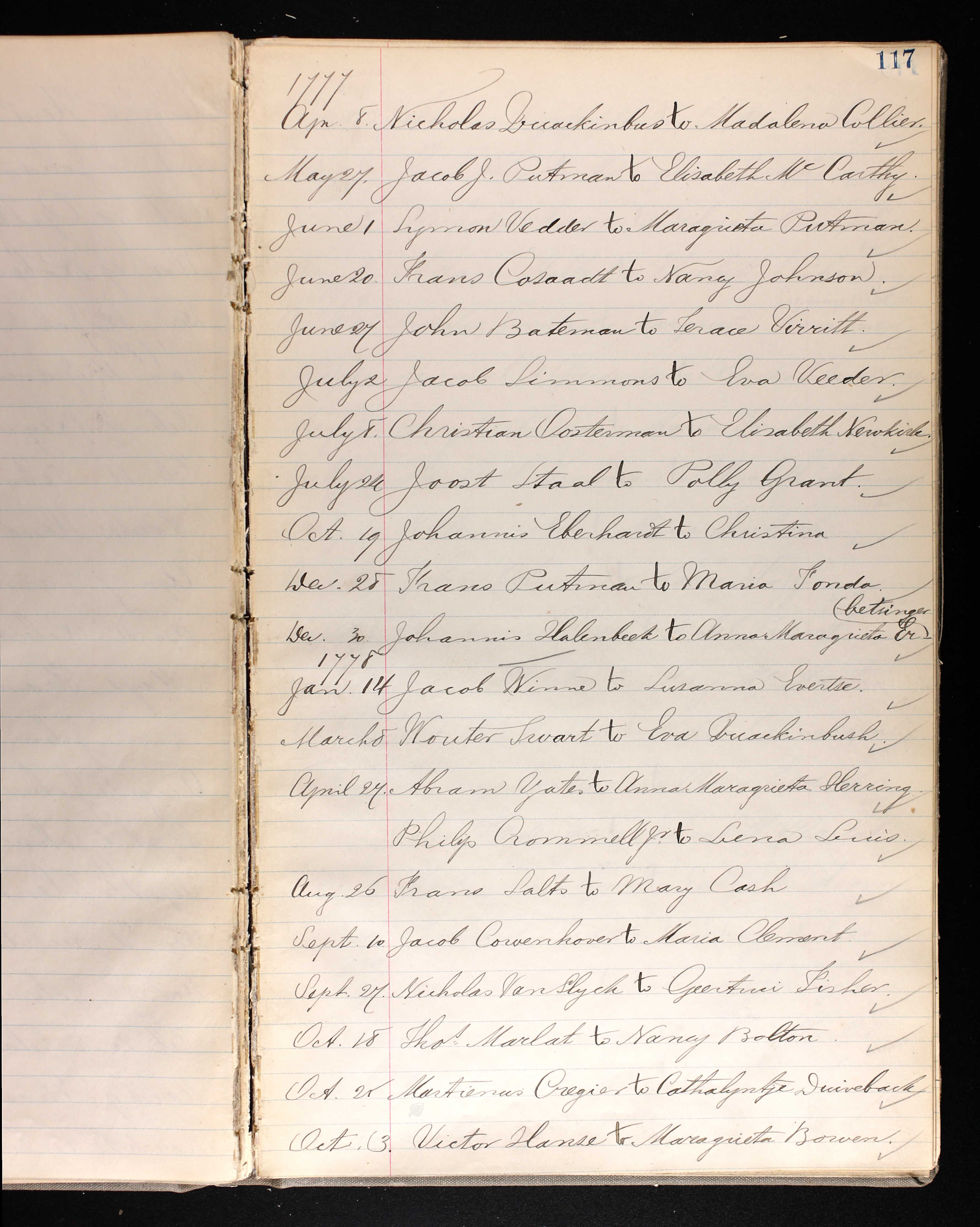
- U.S., Dutch Reformed Church Records in Selected States, 1639-1989 > Name: Eva Veeder; Gender: Female; Record Type: Marriage; Marriage Date: 2 Jul 1777; Marriage Place: Fonda, Montgomery, New York, USA; Spouse: Jacob Simmons
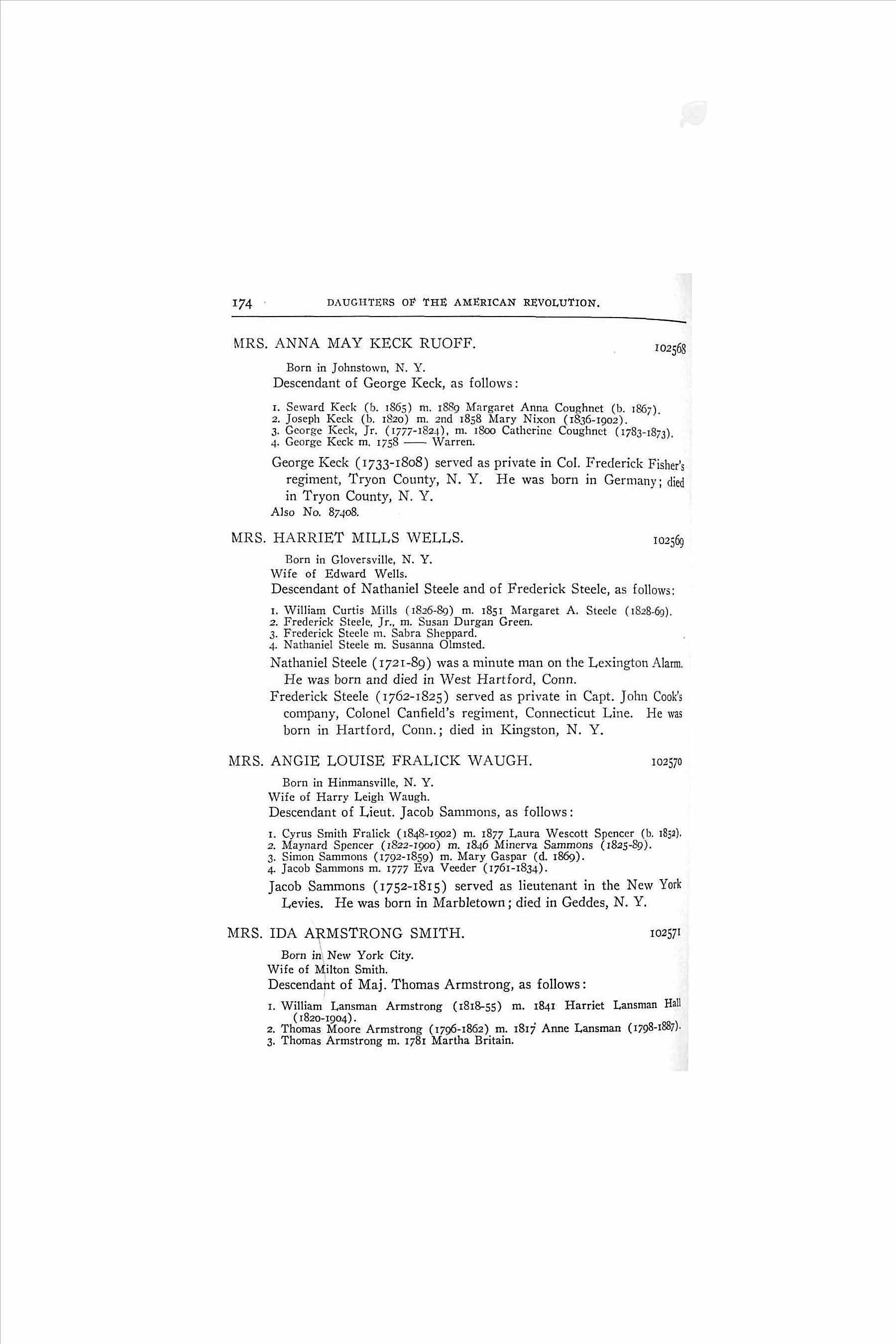
- Daughters of the American Revolution > Lineage Book: NSDAR: Volume 103: 1913 > Jacob Sammons (1752-1815) married Eva Veeder (1761–1834) in 1777
- The genealogical record of the Veeder family > Simon Volkertse Veeder > Eva Veeder, Daughter of: Johannes Veeder & Catharine Mebie, Born: April 2, 1761, Died: June 10, 1834, Married: July 2, 1777 Jacob Sammons (Born: April 23, 1752, Died: November 4, 1815)
- Death records
- The genealogical record of the Veeder family > Simon Volkertse Veeder > Eva Veeder, Daughter of: Johannes Veeder & Catharine Mebie, Born: April 2, 1761, Died: June 10, 1834, Married: July 2, 1777 Jacob Sammons (Born: April 23, 1752, Died: November 4, 1815)
- Find a Grave: Death: 10 Jun 1834 (aged 73)
- Burial: Myrtle Hill Cemetery, Westvale, Onondaga County, New York, USA
- Other
- The Vallandigham and the Sammons Families: Ca1654-Ca1937and family > Author: Daughters of the American Revolution. Henry Purcell Chapter (Chicago, Illinois) > Jacob Sammons and his family
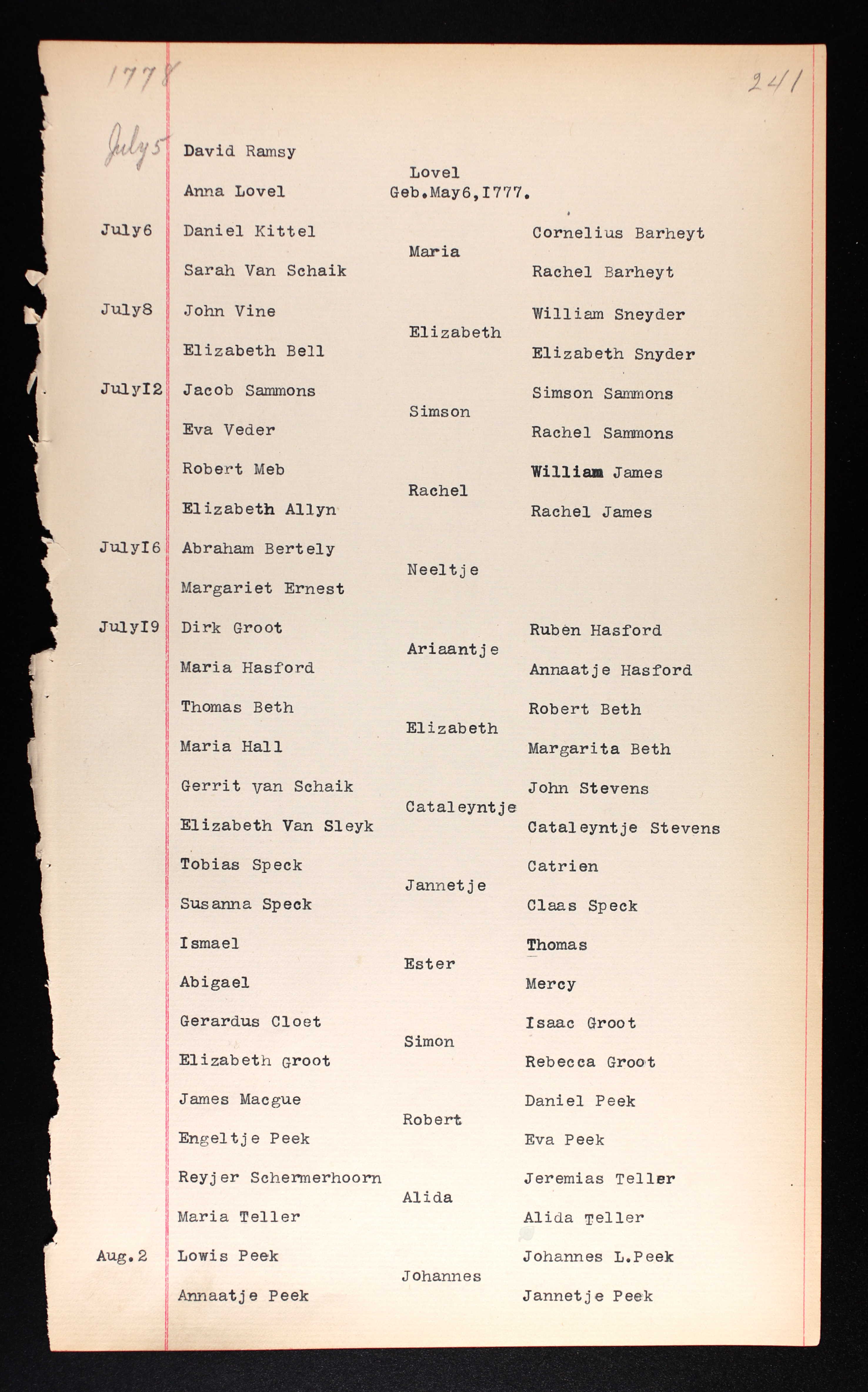
- U.S., Dutch Reformed Church Records in Selected States, 1639-1989 > Baptism entry 13 July 1777; Child: Simson Sammons; Parents: Jacob Sammons and Eva Veeder; witnesses: Simson Sammons and Rachel Sammons
Relation of Jacob Sammons to Steven Barry Staggs: 4th great-grandmother
Page last updated May 1, 2026
Search the Staggs Family History site